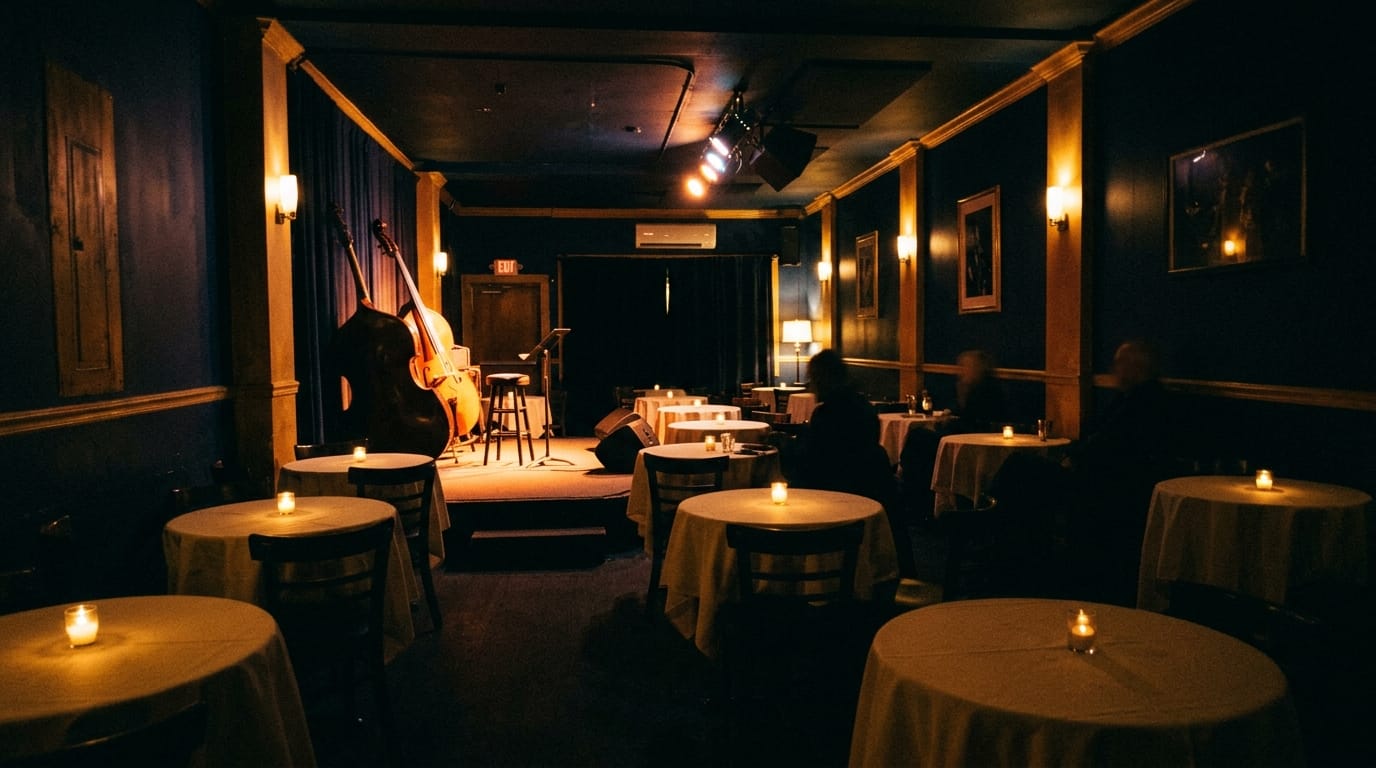
The Best Jazz Clubs in NYC: 13 Rooms to Hear Live Jazz
The best jazz clubs in NYC are the Village Vanguard, the Blue Note, Smalls and Mezzrow in Greenwich Village, Birdland and Dizzy’s Club in Midtown, Smoke on the Upper West Side, Bill’s Place in Harlem, and Ornithology and Bar LunÀtico in Brooklyn. Below are 13 clubs that were presenting jazz in October 2026, grouped by neighborhood, with what each room is like, what a night costs and how to get in. If you have one night, go to the Vanguard; if you want to stay out until 4am, go to Smalls.
Table of Contents
- Greenwich Village and the West Village
- Village Vanguard
- Blue Note
- Smalls
- Mezzrow
- Cellar Dog
- Midtown
- Birdland
- Dizzy’s Club
- Jazzcultural
- Upper West Side and Harlem
- Smoke
- Bill’s Place
- Brooklyn
- Ornithology Jazz Club
- Bar Bayeux
- Bar LunÀtico
- Closed Clubs You Will Still See on Older Lists
- NYC Jazz Club Prices at a Glance
- How a Night at an NYC Jazz Club Works
- Frequently Asked Questions
- What is the best jazz club in NYC for a first visit?
- How much does a night at a New York jazz club cost?
- Do you need reservations for jazz clubs in NYC?
- What is the oldest jazz club in New York City?
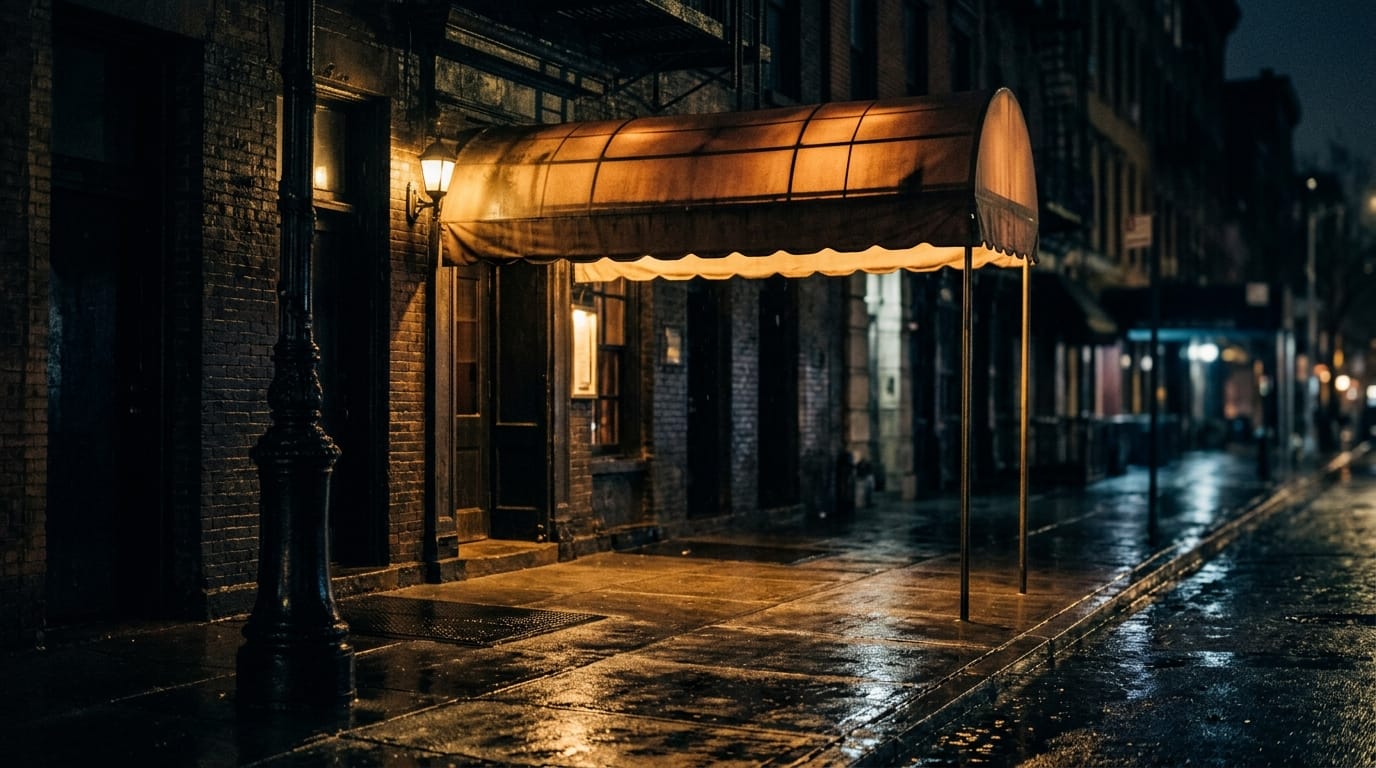
Greenwich Village and the West Village
Four of these five clubs sit within a few blocks of Seventh Avenue South and West 10th Street, which makes the Village the easiest place to see two sets in one night.
Village Vanguard
The Village Vanguard at 178 Seventh Avenue South opened in 1935 under Max Gordon, presented mostly folk music and poetry at first, and has been mainly a jazz room since 1957. Fifteen steps lead down to a triangular basement where, by NPR’s count, more than 100 live albums have been recorded, among them Sonny Rollins in 1957 and both Bill Evans and John Coltrane in 1961. Bands play week-long runs from Tuesday to Sunday, at 8pm and 10pm.
Monday belongs to the Vanguard Jazz Orchestra, which began as the Thad Jones/Mel Lewis Orchestra in February 1966 and has played more than 2,700 Monday nights since. Tickets are sold online (no phone or email bookings), seating is first come, first served, and there is a one-drink minimum on top of the ticket. There is no food, the minimum age is 15, and sold-out sets have a standby line, as the club’s FAQ explains.
Blue Note
Danny Bensusan opened the Blue Note at 131 West 3rd Street in 1981, and the name now runs on clubs from Tokyo and Milan to Rio and Los Angeles. This is the Village room for big names: capacity 200, a full restaurant menu, and jazz, soul and R&B headliners booked for runs of several nights. Robert Glasper’s residency fills much of October, including the club’s 45th-anniversary show in 2026.
Ticket prices are set per show and rise with the size of the name. Shows are usually at 8pm and 10:30pm, plus Sunday brunch. There is a $20 food and drink minimum per show, seating is first come, first served, and the bar is 21 and over. The club’s FAQ says only its own site and TicketWeb sell valid tickets.
Smalls
Smalls, a basement at 183 West 10th Street, was opened in 1994 by Mitch Borden and became a home for young players such as Kurt Rosenwinkel, Mark Turner and Peter Bernstein, with music that sometimes ran until 6am. It closed in 2003 and reopened in 2006 with pianist Spike Wilner among the partners. It now runs four sets a night between 6pm and about 11:30pm, then a jam session until 4am.
Advance tickets for evening sets were $35 to $40 on SmallsLIVE in October 2026, walk-in tickets $25 when seats remain, and everyone buys one drink per set. Weekend sets often sell out. The whole evening is streamed free online. If the late jam is your plan, read up on how jazz improvisation works first.
Mezzrow
Mezzrow, a few doors down at 163 West 10th Street, is the piano room Wilner opened with Borden in 2014. It is named after Mezz Mezzrow, the Chicago clarinetist best known for his 1946 memoir Really the Blues. The program is solo piano, duos, trios and singers around a 1923 Steinway, in a narrow basement where the audience sits a few feet from the keyboard and listens quietly.
Tickets, prices and the one-drink-per-set rule are the same as at Smalls, through the same site. The room is small, so book ahead on weekends. Our list of the greatest jazz pianists covers the players this kind of room was built for.
Cellar Dog
Cellar Dog took over the old Fat Cat space at 75 Christopher Street in June 2021. Fat Cat was another Borden club, but Cellar Dog is run by Backal Hospitality Group, which kept the pool tables, shuffleboard and the church pews in front of the bandstand, Our Town reported at the opening.
It is the loosest room in the Village: jazz every night from 7pm, people shooting pool and talking while the band plays, no reservations, and a cover after 6pm of $5, or $10 on Friday and Saturday, according to its visitor page. Go here if a silent listening room sounds intimidating, or after Smalls; it stays open until 4am on weekends.
Midtown
Midtown’s clubs are bigger and more polished, with early sets that suit a theater night.
Birdland
The original Birdland opened on Broadway on December 15, 1949, named for Charlie “Yardbird” Parker, and gave its name to George Shearing’s “Lullaby of Birdland.” That club closed in 1965. Today’s Birdland has been at 315 West 44th Street since 1996 and has two rooms, the main Birdland Jazz Club and the smaller Birdland Theater.
The weekly fixtures are the Birdland Big Band every Friday at 5:30pm (about $35 to $46 with fees) and Jim Caruso’s Cast Party, a Monday-night open mic that has run for about two decades and mixes Broadway performers, cabaret singers and jazz musicians. There is a $20 food or drink minimum per person per set, the club admits ages 10 and up, and TicketWeb is its only authorized ticket seller.
Dizzy’s Club
Jazz at Lincoln Center opened Dizzy’s Club in October 2004 on the fifth floor of its home at Broadway and 60th Street, and the bands play in front of a window over Columbus Circle and Central Park. Sets are at 7pm and 9pm Monday to Saturday and at 5pm and 7:30pm on Sunday, with a $25 food and drink minimum per person per set. Student tickets cost $15 to $25 and children 8 and over are welcome, per the club’s FAQ.
The better deal is the Late Night Session, Thursday to Saturday at 10:45pm: $15 at the door, no reservation, a one-drink minimum, and no cover for holders of a ticket to that night’s 9pm set. Fridays are an open jam session.
Jazzcultural
The newest room here opened in spring 2026 at 349 West 46th Street on Restaurant Row, in the former Swing 46, two blocks from Birdland. Spike Wilner of Smalls runs it as a café by day and a jazz room from 7pm, and named it for Barry Harris’s Jazz Cultural Theater. The listening room seats about 90 and there is a one-drink minimum, the Amsterdam News reported after the sold-out opening weekend. Tickets go through SmallsLIVE; early October sets were $40 in advance.
Upper West Side and Harlem
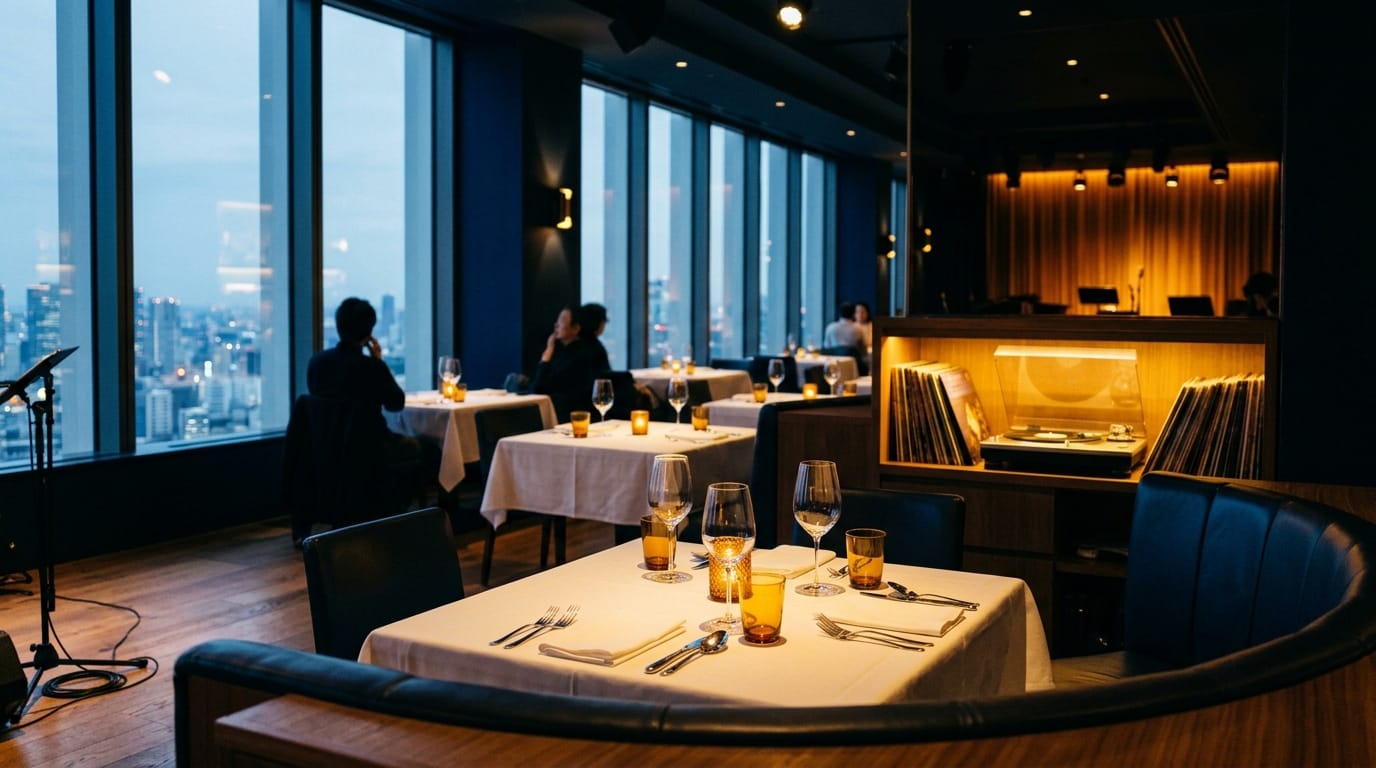
Smoke
Smoke opened on April 9, 1999, at 2751 Broadway near 106th Street, with saxophonist George Coleman’s quartet and pianist Harold Mabern on the first night, and it still books mainly straight-ahead jazz in that vein. It expanded during the pandemic, reopened in 2022, and has run its own label, Smoke Sessions Records, since 2014.
Smoke is a supper club. Early sets are dinner shows with a minimum of one entrée per person, the 10pm set carries a $20 minimum, and cheaper standing-room tickets have a $20 minimum without dinner. The listening room asks for whispers during the music; the bar and lounge need no ticket. It is open Wednesday to Sunday, per the Smoke FAQ.
Bill’s Place
Harlem has fewer full-time jazz rooms than it once did, and the one most worth the trip is Bill’s Place, a small room in a brownstone at 148 West 133rd Street that saxophonist Bill Saxton opened in 2006. The block was known as Swing Street during Prohibition, and the building once housed Monette’s Supper Club, where producer John Hammond is said to have discovered a teenage Billie Holiday. Saxton leads his Harlem All-Stars on Fridays and Saturdays only, at 7pm and 9:30pm. Tickets are $38, no alcohol is sold, and you may bring your own.
Minton’s Playhouse at 206 West 118th Street is where bebop took shape: Henry Minton opened it in 1938, and in the early 1940s its jam sessions drew Thelonious Monk, Kenny Clarke, Charlie Christian, Dizzy Gillespie and Charlie Parker. The city made it a landmark in 2023, but the club has closed and reopened several times, most recently in 2024, and current listings show it closed again. Our guide to what bebop is and where it came from tells that story.
Brooklyn
Brooklyn’s rooms are smaller and cheaper than Manhattan’s. None of the three below charges a fixed cover; the musicians are paid through donations or the tip jar.
Ornithology Jazz Club
Mitch Borden, who founded Smalls, opened Ornithology at 6 Suydam Street in Bushwick in July 2021 with his wife, Rie Yamaguchi-Borden; the name is a nod to Charlie Parker. The room is built around a Bechstein grand piano and has two sets every night, at 6:30pm and 9pm, and is known for its late-night jam sessions. It has kept a no-cover policy with a suggested donation for the band, serves vegan food, and is open until 2am daily.
Bar Bayeux
Bassist Jeremy Stratton opened Bar Bayeux at 1066 Nostrand Avenue in Prospect Lefferts Gardens on New Year’s Eve 2018, and it grew from one music night a week into a jazz bar with sets most nights, natural wine and cocktails. The policy is printed on its jazz calendar: no cover, no tickets, no reservations, a one-drink minimum and tips for the musicians. Evening sets usually start at 8pm and 9:30pm, and the bar is closed on Mondays.
Bar LunÀtico
Musicians Richard Julian, Arthur Kell and Rosita Kèss founded Bar LunÀtico at 486 Halsey Street in Bed-Stuy in 2014, and Kell and Julian still run it. It is a restaurant and bar first, open nightly from 5pm, with live music, much of it jazz, from 9pm. There are no reservations, and its house rules ask for at least $10 in cash per person for the band, an order from everyone, and conversation at a whisper during sets.
Closed Clubs You Will Still See on Older Lists
55 Bar on Christopher Street, a bar since 1919 that presented jazz from 1983, closed on May 23, 2022. Showman’s in Harlem has not reopened since its owner, Al Howard, died in 2020, and the Jazz Standard closed during the pandemic. Ginny’s Supper Club, under Red Rooster on Lenox Avenue, now presents itself as a private event space. Minton’s, as noted above, is listed as closed.
NYC Jazz Club Prices at a Glance
These are the prices the clubs listed in early October 2026; tickets change with the artist.
| Club | Admission | Minimum | Reservations |
|---|---|---|---|
| Village Vanguard | Varies by band | 1 drink | Online |
| Blue Note | Varies by artist | $20 per show | Advised |
| Smalls | $35-$40, $25 walk-in | 1 drink per set | Weekends |
| Mezzrow | $35-$40, $25 walk-in | 1 drink per set | Advised |
| Cellar Dog | $5, $10 Fri-Sat | None posted | Not taken |
| Birdland | Varies by show | $20 per set | Advised |
| Dizzy’s Club | Varies; late session $15 | $25 per set | Advised |
| Jazzcultural | $40 | 1 drink | Advised |
| Smoke | Varies | Entrée or $20 | Advised |
| Bill’s Place | $38 | BYOB | Buy online |
| Ornithology | Donation | None posted | Walk-in |
| Bar Bayeux | No cover | 1 drink | Not taken |
| Bar LunÀtico | $10 cash donation | Order food or drink | Not taken |
How a Night at an NYC Jazz Club Works
Most clubs charge twice: a ticket or cover for the set, then a food or drink minimum per person per set, so a $40 ticket and a $20 minimum make a $60 night before tax and tip. A ticket usually covers one set. At the Vanguard, Blue Note, Smalls and Dizzy’s, seating is first come, first served even with a ticket, so arrive when doors open.
The listening rooms (the Vanguard, Mezzrow, Smoke and LunÀtico) expect quiet during the music; Cellar Dog and the Brooklyn bars are looser. None of these clubs enforces a strict dress code, and our guide to what to wear to a jazz club covers the details. For a long night, pair an early set at the Vanguard or Birdland with the Smalls jam or the Dizzy’s late session. New to the music? Our list of jazz albums for beginners is a good place to start.
Frequently Asked Questions
What is the best jazz club in NYC for a first visit?
The Village Vanguard, if you want the most history in one room: it has been mainly a jazz club since 1957 and more than 100 live albums have been recorded there. For a cheaper, later night, Smalls has four sets and a jam session that runs until 4am. Dizzy’s Club adds dinner and a view over Central Park.
How much does a night at a New York jazz club cost?
At the main Manhattan clubs you pay a ticket plus a minimum: Smalls and Mezzrow charge $35 to $40 in advance plus one drink per set, Birdland and the Blue Note add a $20 minimum, and Dizzy’s Club $25. Cheaper options are Cellar Dog ($5 to $10), the Dizzy’s late session ($15), and Bar Bayeux and Bar LunÀtico in Brooklyn, which run on tips or a suggested $10 donation.
Do you need reservations for jazz clubs in NYC?
For the Village Vanguard, Blue Note, Birdland, Dizzy’s Club, Smoke and weekend sets at Smalls and Mezzrow, buy tickets in advance, because weekend sets often sell out. The Vanguard sells tickets online only and runs a standby line for sold-out shows. Cellar Dog, Bar Bayeux and Bar LunÀtico take no reservations.
What is the oldest jazz club in New York City?
The Village Vanguard, which opened in 1935 and has been mainly a jazz club since 1957, is widely regarded as the oldest operating jazz club in New York. The 55 Bar opened earlier, in 1919, but only presented jazz from 1983 and closed in 2022.