20 Greatest Jazz Fusion Artists and Bands of All Time
Jazz fusion artists are musicians and bands who combine jazz improvisation and harmony with the electric instrumentation, rhythms, and production techniques of rock, funk, R&B, and world music, a synthesis that reshaped popular music from 1969 onward. This list spans that full arc, from Miles Davis’s electric experiments at Columbia Studios to Snarky Puppy’s festival-filling groove and Kamasi Washington’s cosmic orchestrations. It covers jazz fusion artists, jazz fusion bands, jazz fusion musicians, and jazz rock fusion artists across six decades. Selection criteria include documented influence on subsequent artists, critical reception from authoritative sources, commercial and cultural reach, and the distinctiveness of each act’s contribution to the genre’s evolution. See our full guide to jazz fusion history and origins.
Table of Contents
- What Makes a Jazz Fusion Artist? (Defining the Genre)
- The 20 Greatest Jazz Fusion Artists and Bands, Ranked by Era
- Era 1, The Founders (1969-1975)
- Era 2, The Expansion (1975-1985)
- Era 3, The Plateau (1985-2000)
- Era 4, The Modern Era (2000-Present)
- Jazz Fusion Artists by Era, Quick-Reference Comparison Table
- Modern Jazz Fusion Artists Today, The Next Wave
- Beyond the List, Emerging Jazz Fusion Artists Worth Watching
- Japanese Jazz Fusion Artists, A Tradition of Innovation
- What Jazz Fusion Artists Changed About Music, Legacy and Influence
- How to Start Listening, A Jazz Fusion Entry Point Guide
- If You Come From Rock
- If You Come From Funk or Soul
- If You Come From Classical or Modern Jazz
- Frequently Asked Questions About Jazz Fusion Artists
- Who is the most famous jazz fusion artist?
- Who is the godfather of jazz fusion?
- What defines jazz fusion music?
- Are there modern jazz fusion bands still making music today?
- Who are the best jazz fusion drummers?
- Final Thoughts, Why Jazz Fusion Artists Still Matter
What Makes a Jazz Fusion Artist? (Defining the Genre)
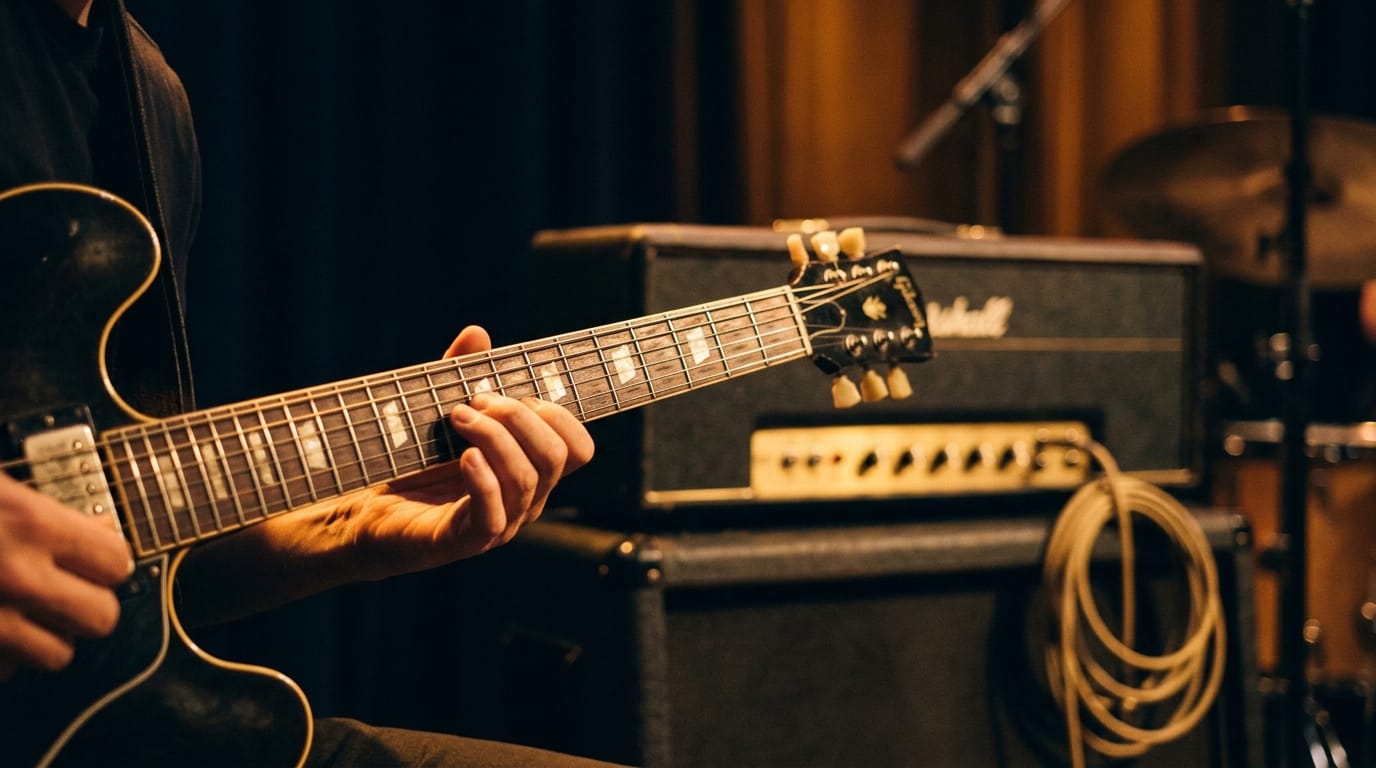
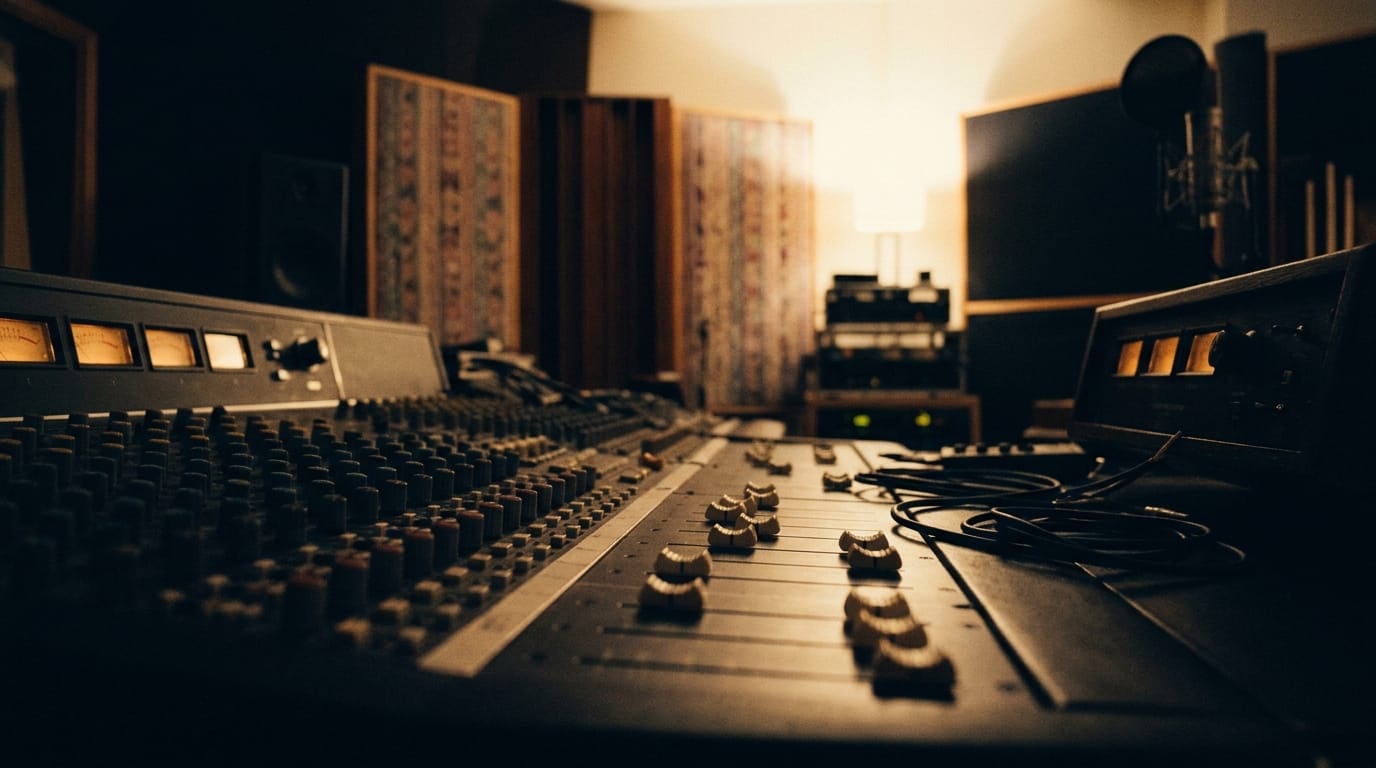
Jazz fusion is defined by four core characteristics: electric instrumentation (electric guitar, Fender Rhodes, Moog synthesizer, electric bass), a straight-eighth rhythmic feel replacing swing, extended improvisation over rock or funk harmonic frameworks, and studio experimentation used as a compositional tool. That last point separates fusion from mere genre-blending, producers like Teo Macero treated the recording studio itself as an instrument, splicing tape on Bitches Brew in ways that anticipated electronic music production by a decade.
Here’s the thing most overviews miss: jazz fusion isn’t a monolith. There are at least three distinct strains. Jazz-rock fusion (Mahavishnu Orchestra, Tony Williams Lifetime) prioritizes volume, odd meters, and rock energy. Jazz-funk fusion (Headhunters, Brecker Brothers) centers groove, clavinet, and horn-section punch. Jazz-electronic fusion (Weather Report’s later work, Robert Glasper Experiment) treats synthesizers and production as primary voices rather than decoration. Knowing which strain you’re entering changes everything about how you listen.
Paul Tingen’s Miles Beyond and Stuart Nicholson’s Jazz-Rock: A History remain the two most authoritative book-length treatments of the genre’s origins and development, and both confirm that the movement was never a single sound, it was a shared impulse to break acoustic jazz’s self-imposed limits.
The 20 Greatest Jazz Fusion Artists and Bands, Ranked by Era
The entries below are organized into four eras reflecting peak influence, not activity, several of these jazz fusion bands and jazz fusion groups remain active today. Era labels are editorial tools, not strict chronological fences. Within each era, ranking reflects a combination of historical impact, musicianship, and cultural reach.
Era 1, The Founders (1969-1975)
#1. Miles Davis (Electric Period), Founded 1969
The originator. When critics ask who is the godfather of jazz fusion, the answer is Miles Davis, and the evidence is Bitches Brew (Columbia, 1970). Recorded over three days in August 1969, the album deployed two drummers, two bassists, multiple electric keyboards, and John McLaughlin’s electric guitar in a configuration that had no precedent. DownBeat awarded it five stars on release. Davis didn’t invent fusion alone, he assembled the people who would define it: Chick Corea, Joe Zawinul, Wayne Shorter, Jack DeJohnette, and McLaughlin all appear on the record. Read the full Miles Davis artist profile. According to the Miles Davis Official Site, Davis won eight Grammy Awards across his career, with 32 nominations total.
#2. Weather Report, Founded 1970
Joe Zawinul and Wayne Shorter co-founded Weather Report in Vienna and New York, and across fourteen studio albums between 1970 and 1986, they pushed jazz-electronic fusion further than anyone else. Heavy Weather (Columbia, 1977) brought the band to mainstream radio, “Birdland” became one of the most covered jazz compositions of the era, and the album sold over one million copies in the US alone by 1991. Shorter’s soprano saxophone provided the melodic anchor while Zawinul’s synthesizer work created textures that still sound contemporary. Jaco Pastorius’s fretless bass on Heavy Weather is among the most celebrated performances in fusion history. DownBeat gave the album five stars, and its readers voted it jazz album of the year.
#3. Mahavishnu Orchestra, Founded 1971
No band defined jazz-rock fusion at higher volume or greater technical intensity. John McLaughlin formed the Mahavishnu Orchestra in New York, and their debut, The Inner Mounting Flame (Columbia, 1971), arrived like a detonation. Odd meters, 5/8, 7/8, 10/8, collided with Marshall-stack guitar volume and Indian classical influence. Billy Cobham’s drumming on that record remains a benchmark for jazz fusion drummers worldwide. The lineup of McLaughlin, Cobham, Jan Hammer, Jerry Goodman, and Rick Laird produced three essential albums before internal tensions dissolved the original band. As AllMusic documents, the group’s influence on subsequent jazz-rock fusion bands and progressive rock is incalculable.
#4. Return to Forever, Founded 1972
Chick Corea’s Return to Forever demonstrated that jazz fusion could be stylistically elastic. The band moved through at least three distinct phases: Latin-jazz fusion on early recordings, jazz-rock on Hymn of the Seventh Galaxy (1973), and a full prog-rock pivot on Romantic Warrior (Columbia, 1976). That range is the point, RTF showed that fusion wasn’t a fixed destination. The lineup of Corea, Stanley Clarke, Al Di Meola, and Lenny White won the Grammy for Best Jazz Performance by a Group at the 18th Grammy Awards for No Mystery. According to Wikipedia, the band first disbanded in 1977 after five years and seven studio albums, with reunion activity continuing into the 2010s.
#5. Herbie Hancock & The Headhunters, Founded 1973
If Mahavishnu defined jazz-rock fusion, Herbie Hancock and the Headhunters defined jazz-funk fusion. Head Hunters (Columbia, 1973) opened with “Chameleon,” a 15-minute clavinet-driven groove that became one of the most sampled passages in hip-hop history. The album became one of the best-selling jazz records of its era. Harvey Mason handled the drums on the record by himself, Mike Clark would join the band for the follow-up, Thrust, the next year, making this entry essential for anyone tracking jazz fusion drummers. Key personnel included Bennie Maupin on reeds, Paul Jackson on bass, and Bill Summers on percussion. Head Hunters was later inducted into the Grammy Hall of Fame, cementing its canonical status.
#6. Tony Williams Lifetime, Founded 1969
Let’s be honest: Tony Williams Lifetime deserves more credit than it typically receives. Emergency! (Polydor, 1969), recorded in May 1969, technically predates Bitches Brew‘s release date, making it arguably the first significant jazz-rock fusion album. Williams, John McLaughlin, and organist Larry Young created dense, wired soundscapes that had no real precedent. Williams’s drumming on Emergency! is one of the greatest fusion drumming performances on record, explosive, unpredictable, and rhythmically sophisticated in ways that still challenge listeners. Tony Williams (December 12, 1945 – February 23, 1997) had first gained fame as a member of Miles Davis’s mid-1960s quintet, which makes his pivot to electric fusion all the more significant.

Era 2, The Expansion (1975-1985)
#7. Pat Metheny Group, Founded 1977
The Pat Metheny Group brought a different emotional register to fusion, lyrical, spacious, and often quietly devastating. Founded in 1977, the group blended fusion with folk, Brazilian, and orchestral textures in ways that felt genuinely new. Offramp (ECM, 1982) was the first studio recording on which Metheny used the guitar synthesizer alongside the synclavier, opening a new tonal vocabulary. According to Wikipedia, Metheny holds 20 Grammy Awards and is the only musician to have won Grammys in 10 different categories, a record that reflects the group’s stylistic range. Keyboardist Lyle Mays, who won eleven Grammy Awards over his career (both with the group and on his own recordings), was the band’s primary arranger and co-composer throughout its run.
#8. Spyro Gyra, Founded 1974
Formed in Buffalo, New York in the mid-1970s, Spyro Gyra helped define pop-jazz fusion and proved the genre could generate genuine crossover hits. Morning Dance (Infinity Records, 1979) reached No. 27 on the Billboard Top 200 and was certified gold and later platinum by the RIAA. The title track became a radio staple. Jay Beckenstein’s saxophone leads and Jeremy Wall’s keyboard arrangements gave the band a warm, accessible sound that critics sometimes dismissed but audiences consistently embraced. According to the band’s official site, Spyro Gyra has logged more than 10,000 shows on six continents and released 35 albums, a longevity that speaks to their audience’s loyalty. They remain active, making them relevant to any conversation about popular jazz fusion bands today.
#9. Yellowjackets, Founded 1977
The Yellowjackets formed in Los Angeles in 1977 and have since become one of the most durable jazz fusion groups in the business. Mirage à Trois (Warner Bros., 1983) established their sound: sophisticated jazz-rock with Russell Ferrante’s distinctive keyboard voice at the center. According to the band’s official site, the Yellowjackets have recorded 25 albums and received 17 Grammy nominations, winning 2, across a history now stretching 49 years since their late-1970s founding. Original guitarist Robben Ford gave the early band a blues-rock edge; Bob Mintzer’s later arrival on tenor saxophone deepened the jazz credentials. They remain active and consistently excellent.
#10. Steps Ahead, Founded 1979
Steps Ahead (originally called Steps) brought post-bop sophistication to fusion’s electric palette. Their 1983 self-titled album on Elektra/Musician remains the definitive document: Mike Mainieri’s electric vibraphone, an instrument rarely heard in fusion contexts, gave the band an immediately recognizable sound. Michael Brecker’s tenor saxophone set a technical benchmark that influenced a generation of players. The core lineup of Mainieri, Brecker, Don Grolnick, Eddie Gomez, and Peter Erskine was among the most accomplished in any fusion band of the era. Steps Ahead was most active between 1979 and 1986, though the group has continued in various configurations since.
#11. Chick Corea Elektric Band, Founded 1986
After Return to Forever dissolved, Chick Corea spent years in acoustic contexts before assembling the Elektric Band in 1986. The debut album The Chick Corea Elektric Band (GRP, 1986) announced a new phase: synthesizer technology as compositional focus, with a band tight enough to execute Corea’s demanding writing at full speed. Dave Weckl’s drumming and John Patitucci’s bass playing became reference points for fusion musicians of the era. Frank Gambale’s guitar and Eric Marienthal’s saxophone completed a lineup that won multiple Grammys in this configuration. Corea himself won 29 Grammy Awards across his entire career, making him one of the most decorated musicians in jazz history.
#12. Jaco Pastorius (Word of Mouth), Founded 1981
Jaco Pastorius didn’t just play the electric bass, he redefined what the instrument could do in a fusion context. His fretless innovations, first heard on Weather Report’s Heavy Weather, changed what was possible in fusion rhythm sections. Word of Mouth (Warner Bros., 1981) was his large-ensemble statement: a big band record that moved between jazz, funk, and orchestral fusion with remarkable clarity. Don Alias, Peter Erskine, and Toots Thielemans all appear on the record. Pastorius (1951-1987) remains one of the most influential jazz fusion musicians in the instrument’s history, and Word of Mouth is the fullest expression of his compositional ambitions.
Era 3, The Plateau (1985-2000)
#13. John Scofield, Solo career from 1977; peak fusion output mid-1980s to 1990s
John Scofield’s blues-drenched guitar fusion occupies a specific and irreplaceable corner of the genre. Blue Matter (Gramavision, 1986) is the definitive document: recorded in September 1986, it was the first of three albums featuring Gary Grainger on bass and Dennis Chambers on drums. That rhythm section, Chambers in particular, directly addresses the “jazz fusion band featuring Dennis Chambers” question that fans frequently ask. Scofield’s pedigree is impeccable: he worked alongside Miles Davis from 1982 to 1985, a verifiable credential that connects him directly to fusion’s founding generation. He has been nominated for multiple Grammy Awards and won three, according to his official discography.
#14. Mike Stern, Solo career from 1985
Mike Stern is another Miles Davis alumnus, he played with Davis from 1981 to 1983, which gives his rock-inflected guitar fusion a direct lineage to the genre’s origins. Upside Downside (Atlantic, 1986) established his solo voice: aggressive, blues-rooted, and technically precise. Dennis Chambers and Bob Berg appear on the record, creating a rhythm section and front-line combination that defined a certain strain of 1980s jazz-rock fusion. Stern has released more than 20 albums as a leader, with six receiving Grammy nominations for Best Contemporary Jazz Album. He remains one of the most respected jazz rock fusion artists working today.
#15. Brecker Brothers, Founded 1974
Randy and Michael Brecker built the Brecker Brothers around jazz-funk fusion at its most studio-polished. Back to Back (Arista, 1976) captured the band at peak intensity, with Will Lee on bass and Steve Gadd on drums providing a rhythm section that could handle anything. Both brothers appeared on hundreds of recordings collectively as session musicians, AllMusic credits confirm their presence on an extraordinary range of 1970s and 1980s pop, R&B, and jazz records. Michael Brecker went on to win 15 Grammy Awards as a solo artist, making him one of the most decorated instrumentalists in jazz history. The Brecker Brothers themselves earned Grammy recognition for their work.
#16. Béla Fleck and the Flecktones, Founded 1988
The Flecktones are genuinely unlike anything else on this list. Béla Fleck brought the banjo, an instrument with no prior fusion history, into a context spanning bluegrass, jazz, funk, and African music, and made it work completely. UFO TOFU (Warner Bros., 1992) is the band’s most focused fusion statement: the title track is a palindrome both textually and musically. Victor Wooten’s bass playing became one of the most discussed in any genre during the 1990s. Fleck himself has won multiple Grammy Awards across an extraordinary range of categories. The band formed in 1988, and Fleck and Victor Wooten have remained its creative core throughout.

Era 4, The Modern Era (2000-Present)
The modern jazz fusion landscape is more diverse and globally distributed than any previous era. These four acts represent the most prominent modern jazz fusion bands and modern jazz fusion artists working today, each extending the genre’s vocabulary in a distinct direction.
#17. Snarky Puppy, Founded 2003/2004
Snarky Puppy, founded by bassist and composer Michael League, operates as a collective of roughly 40 musicians rather than a fixed band, a structure that makes them one of the most unusual jazz fusion groups in the genre’s history. Their live-studio recording approach, documented on video and widely shared online, brought jazz fusion to festival audiences who had never encountered the genre before. We Like It Here (Ropeadope Records, 2014) captured that approach early on; the band has since won the Grammy for Best Contemporary Instrumental Album four times, for Sylva (2016), Culcha Vulcha (2017), Live At The Royal Albert Hall (2021), and Empire Central (2023). They are the most prominent popular jazz fusion band of the current era.
#18. Hiromi Uehara, Solo career from 2003
Hiromi Uehara is the most prominent Japanese jazz fusion artist working today, and one of the most technically accomplished pianists in any genre. Born in Hamamatsu, Japan, she studied at Berklee College of Music and has cited Ahmad Jamal and Chick Corea as formative influences, both verifiable through published interviews. Her debut, Another Mind (Telarc, 2003), announced a pianist who could move between prog-rock complexity, classical structure, and jazz improvisation within a single track. In 2011, she appeared as a featured guest artist on three tracks of The Stanley Clarke Band, which won the Grammy Award for Best Contemporary Jazz Album. Her work with Hiromi’s Sonicbloom, featuring Tony Grey and Martin Valihora, represents the most sustained jazz-rock fusion output from a Japanese artist in the modern era.
Editorial note: Several search queries reference a “rock jazz fusion artist from Asia born June 1981.” Hiromi Uehara, born March 26, 1979, is the closest verified match among prominent Japanese jazz fusion artists. No verifiable artist matching the specific June 1981 birth date has been identified; this article will not fabricate a match.
#19. Robert Glasper Experiment, Founded 2012
Robert Glasper’s Black Radio (Blue Note, 2012) did something genuinely surprising: it won the Grammy for Best R&B Album while being unmistakably rooted in jazz. That category confusion is the point. Glasper, Casey Benjamin, Derrick Hodge, and Chris Dave built a sound that fused jazz harmony, neo-soul, and hip-hop production in ways that felt inevitable rather than calculated. Glasper has won five Grammy Awards from 16 nominations, according to grammy.com’s official artist record. His position in the Los Angeles jazz scene connects him to Terrace Martin, whose father, drummer Ernest “Curly” Martin, was a respected figure in the Omaha jazz scene, a lineage that reflects how often jazz runs in the family across fusion’s broader community. Glasper represents the jazz/hip-hop fusion crossover more directly than any other artist on this list.
#20. Kamasi Washington, Solo leader from 2015
Kamasi Washington’s The Epic (Brainfeeder, 2015) arrived as a 173-minute triple album and immediately reframed what jazz could mean in the streaming era. Washington’s cosmic jazz draws on John Coltrane’s spiritual approach, funk orchestration, and cinematic production, a fusion of influences rather than a fusion of genres in the traditional sense. The album was later listed among Rolling Stone’s 500 Greatest Albums. Washington’s work with Kendrick Lamar on To Pimp a Butterfly (2015), alongside Thundercat and Robert Glasper, placed jazz fusion musicians at the center of one of the decade’s most discussed albums. Cameron Graves, Thundercat, Ronald Bruner Jr., and Miles Mosley form the core of Washington’s band.
Jazz Fusion Artists by Era, Quick-Reference Comparison Table
The table below covers all 20 entries across the four eras. “Genre flavor” reflects each act’s primary stylistic lean, most artists span multiple sub-genres. This table covers jazz fusion bands, jazz fusion groups, jazz rock fusion bands, and jazz fusion musicians across the full history of the genre.
| Artist / Band | Era | Defining Album | Genre Flavor | Still Active? |
|---|---|---|---|---|
| Miles Davis (Electric) | Founders (1969-75) | Bitches Brew (1970) | Jazz-Rock | No (d. 1991) |
| Weather Report | Founders (1969-75) | Heavy Weather (1977) | Jazz-Electronic | No (disbanded 1986) |
| Mahavishnu Orchestra | Founders (1969-75) | The Inner Mounting Flame (1971) | Jazz-Rock | No |
| Return to Forever | Founders (1969-75) | Romantic Warrior (1976) | Latin/Jazz-Rock | Reunion tours |
| Headhunters | Founders (1969-75) | Head Hunters (1973) | Jazz-Funk | Yes (reformed) |
| Tony Williams Lifetime | Founders (1969-75) | Emergency! (1969) | Jazz-Rock | No (d. 1997) |
| Pat Metheny Group | Expansion (1975-85) | Offramp (1982) | Jazz-Folk-Rock | Yes |
| Spyro Gyra | Expansion (1975-85) | Morning Dance (1979) | Pop-Jazz Fusion | Yes |
| Yellowjackets | Expansion (1975-85) | Mirage à Trois (1983) | Jazz-Rock | Yes |
| Steps Ahead | Expansion (1975-85) | Steps Ahead (1983) | Post-Bop Fusion | No |
| Chick Corea Elektric Band | Expansion (1975-85) | Chick Corea Elektric Band (1986) | Synth-Fusion | No (d. 2021) |
| Jaco Pastorius | Expansion (1975-85) | Word of Mouth (1981) | Jazz-Funk | No (d. 1987) |
| John Scofield | Plateau (1985-2000) | Blue Matter (1986) | Blues-Fusion | Yes |
| Mike Stern | Plateau (1985-2000) | Upside Downside (1986) | Jazz-Rock | Yes |
| Brecker Brothers | Plateau (1985-2000) | Back to Back (1976) | Jazz-Funk | No |
| Béla Fleck & the Flecktones | Plateau (1985-2000) | UFO TOFU (1992) | Bluegrass-Fusion | Yes |
| Snarky Puppy | Modern (2000-present) | We Like It Here (2014) | Funk-Fusion | Yes |
| Hiromi Uehara | Modern (2000-present) | Another Mind (2003) | Jazz-Rock | Yes |
| Robert Glasper Experiment | Modern (2000-present) | Black Radio (2012) | Jazz-R&B-Hip-Hop | Yes |
| Kamasi Washington | Modern (2000-present) | The Epic (2015) | Cosmic/Spiritual Fusion | Yes |
Modern Jazz Fusion Artists Today, The Next Wave
The four modern acts ranked above represent the most prominent jazz fusion artists today, but the broader contemporary landscape extends well beyond them. Modern jazz fusion bands are emerging from unexpected cities and countries, and the genre’s boundaries keep shifting.

Beyond the List, Emerging Jazz Fusion Artists Worth Watching
Thundercat (Stephen Bruner) operates at the intersection of cosmic funk, jazz harmony, and bass virtuosity. His Grammy win for Best Progressive R&B Album for It Is What It Is (2020) confirmed what jazz listeners already knew: his bass-led compositions belong in any serious conversation about modern jazz fusion musicians. Cory Henry, formerly of Snarky Puppy, now leads Cory Henry & the Funk Apostles, bringing a gospel-rooted keyboard voice to funk-fusion that’s unlike anything else in the current scene.
Makaya McCraven, signed to Blue Note Records, fuses jazz and electronic music through a spatial audio production approach that treats live improvisation as raw material for studio construction. Nubya Garcia’s Source (Concord Jazz, 2020) announced a British jazz-fusion voice of real authority, rooted in Caribbean rhythms and post-bop harmony.
The UK jazz fusion resurgence documented by music journalists between 2019 and 2022 produced a cluster of acts worth tracking: Yussef Kamaal, Joe Armon-Jones, and Moses Boyd each bring distinct approaches to the jazz-funk-electronic intersection that defines the London scene’s current energy.
Japanese Jazz Fusion Artists, A Tradition of Innovation
Japan developed its own jazz fusion tradition largely in parallel with the American scene, beginning in the mid-1970s. T-Square (founded 1976) and Casiopea (founded 1976) were the two most commercially successful acts, each developing a polished jazz-rock sound that crossed over into what Japanese listeners called “city pop” fusion. T-Square’s Truth (1986) remains their most celebrated album, and the band has remained active for more than 40 years. Casiopea’s Eyes of the Mind (1981) captured the band at their most melodically inventive. Prism, founded in 1975, took a harder jazz-rock approach closer to the Mahavishnu Orchestra’s intensity.
Hiromi Uehara (ranked #18 above) represents the modern continuation of this tradition, having studied in the United States and built an international career that reflects both Japanese precision and American jazz spontaneity. The Japanese jazz fusion scene has never received the critical attention it deserves in English-language coverage, it’s one of the genre’s genuinely underexplored chapters.
What Jazz Fusion Artists Changed About Music, Legacy and Influence
The downstream cultural impact of jazz fusion artists extends far beyond the genre itself. Three documented areas stand out. First, hip-hop sampling: Head Hunters tracks and Weather Report recordings are among the most sampled jazz recordings in hip-hop history, with “Chameleon” appearing in dozens of documented productions. WhoSampled’s database confirms the breadth of this influence across decades of hip-hop production.
Second, guitar technology: John McLaughlin and Pat Metheny drove guitar synthesizer adoption in ways that reshaped the instrument’s possibilities. Metheny’s use of the guitar synthesizer on Offramp (1982) helped establish the instrument as a legitimate compositional voice rather than a novelty. The Roland GR-300, released in 1980, became a key tool for fusion guitarists of the era.
Third, studio production norms: Teo Macero’s tape-splicing techniques on Bitches Brew, documented in detail by Paul Tingen in Miles Beyond, predate electronic music production methods by years. The idea of the studio as a compositional instrument, rather than a neutral recording space, flows directly from that work. Kendrick Lamar’s To Pimp a Butterfly (2015) features Kamasi Washington, Thundercat, and Robert Glasper, three jazz fusion musicians at the center of an album that reshaped conversations about Black American music. (Lamar’s Pulitzer Prize for Music came later, for DAMN. in 2018.) Explore the best jazz albums of all time for more context on how fusion fits into the broader canon.
How to Start Listening, A Jazz Fusion Entry Point Guide
Jazz fusion can feel overwhelming from the outside. Here’s the thing: your existing musical taste is the best entry point. Three pathways, each starting from familiar ground.
If You Come From Rock
Start with Mahavishnu Orchestra’s The Inner Mounting Flame, specifically “Meeting of the Spirits,” which opens with a guitar riff that any rock listener will recognize as powerful before the jazz complexity arrives. From there, move to John Scofield’s Blue Matter and its blues-rooted groove, then to Pat Metheny Group’s Offramp for a more melodic, textured experience. Each step introduces more jazz harmony while keeping the electric energy familiar.
If You Come From Funk or Soul
Start with Herbie Hancock’s Head Hunters, “Chameleon” is essentially a funk record with jazz improvisation layered on top, and it’s immediately accessible. Move to the Brecker Brothers’ Back to Back for a harder-edged horn-section funk, then to Snarky Puppy’s We Like It Here for a modern collective that brings the same groove sensibility into the 21st century. The rhythmic logic stays consistent across all three.
If You Come From Classical or Modern Jazz
Start with Weather Report’s Heavy Weather, the compositional sophistication and Wayne Shorter’s melodic writing will feel immediately familiar, even as the electric textures are new. Move to Steps Ahead’s self-titled album for post-bop fusion with acoustic jazz’s harmonic depth, then to Hiromi Uehara’s Another Mind for a pianist whose classical training and jazz vocabulary are both fully audible. Explore our jazz fusion history and education guide for deeper context on each of these pathways. our complete guide to jazz fusion history and origins
Frequently Asked Questions About Jazz Fusion Artists
Who is the most famous jazz fusion artist?
Miles Davis is most frequently cited as the most famous jazz fusion artist. Bitches Brew (Columbia, 1970) is widely considered the genre’s commercial and creative breakthrough, and critics from DownBeat to NPR have consistently identified Davis as the central figure in fusion’s emergence. His ability to attract and inspire the musicians who would define the genre, Herbie Hancock, Wayne Shorter, John McLaughlin, Chick Corea, makes his influence structural rather than merely stylistic.
Who is the godfather of jazz fusion?
Miles Davis holds that title by near-universal critical consensus, with Tony Williams Lifetime and Herbie Hancock frequently named alongside him. The distinction worth making: Davis catalyzed the movement and gave it its most famous document in Bitches Brew, but Tony Williams’s Emergency! (recorded May 1969) technically predates Bitches Brew‘s release date, making Williams’s band the first significant jazz-rock fusion recording to reach listeners.
What defines jazz fusion music?
Jazz fusion combines jazz improvisation and harmony with electric instrumentation, rock or funk rhythms, and studio production used as a compositional tool. The straight-eighth rhythmic feel replaces jazz’s traditional swing, electric guitars and keyboards replace acoustic instruments, and extended improvisation occurs over harmonic frameworks drawn from rock, funk, R&B, or world music. The result is a genre that sounds simultaneously like jazz and like something else entirely. Read our full jazz fusion definition and history
Are there modern jazz fusion bands still making music today?
Yes, Snarky Puppy (five Grammys, active since 2003/2004), Hiromi Uehara (active since 2003), and the Robert Glasper Experiment represent the most prominent modern jazz fusion acts. The UK jazz-fusion scene, including Nubya Garcia and Yussef Kamaal, also represents an active contemporary movement. Spyro Gyra, the Yellowjackets, John Scofield, and Mike Stern all remain active, making the genre far more alive than its critics suggest. For more on the current state of jazz, read our honest assessment of jazz in 2026.
Who are the best jazz fusion drummers?
The essential jazz fusion drummers are Tony Williams (Tony Williams Lifetime), Billy Cobham (Mahavishnu Orchestra), Harvey Mason and Mike Clark (Headhunters), Dennis Chambers (John Scofield Band, the most frequently cited answer to “jazz fusion band featuring Dennis Chambers”), Dave Weckl (Chick Corea Elektric Band), and Jack DeJohnette (Miles Davis electric period). DownBeat polls have consistently recognized Cobham, Chambers, and Williams among the greatest drummers in jazz history. Each brought a distinct approach: Williams’s wired intensity, Cobham’s explosive power, Chambers’s pocket-deep groove.
Final Thoughts, Why Jazz Fusion Artists Still Matter
Jazz fusion musicians didn’t just create a genre, they expanded what jazz could absorb and what rock, funk, and electronic music could aspire to. The famous jazz fusion artists on this list, from Miles Davis to Kamasi Washington, share a refusal to accept genre as a limit. The best jazz fusion artists working today carry that same refusal forward. Snarky Puppy fills festival stages. Hiromi Uehara sells out concert halls across three continents. Robert Glasper wins R&B Grammys with jazz piano. This isn’t a museum genre. It’s one of the most productive creative frameworks in contemporary music, and it shows no sign of stopping.
For more on the music that shaped this tradition, explore jazz fusion history and origins, the best jazz albums of all time, and the complete Miles Davis artist profile.