The Best Jazz Clubs in NYC: A Complete Guide for 2026
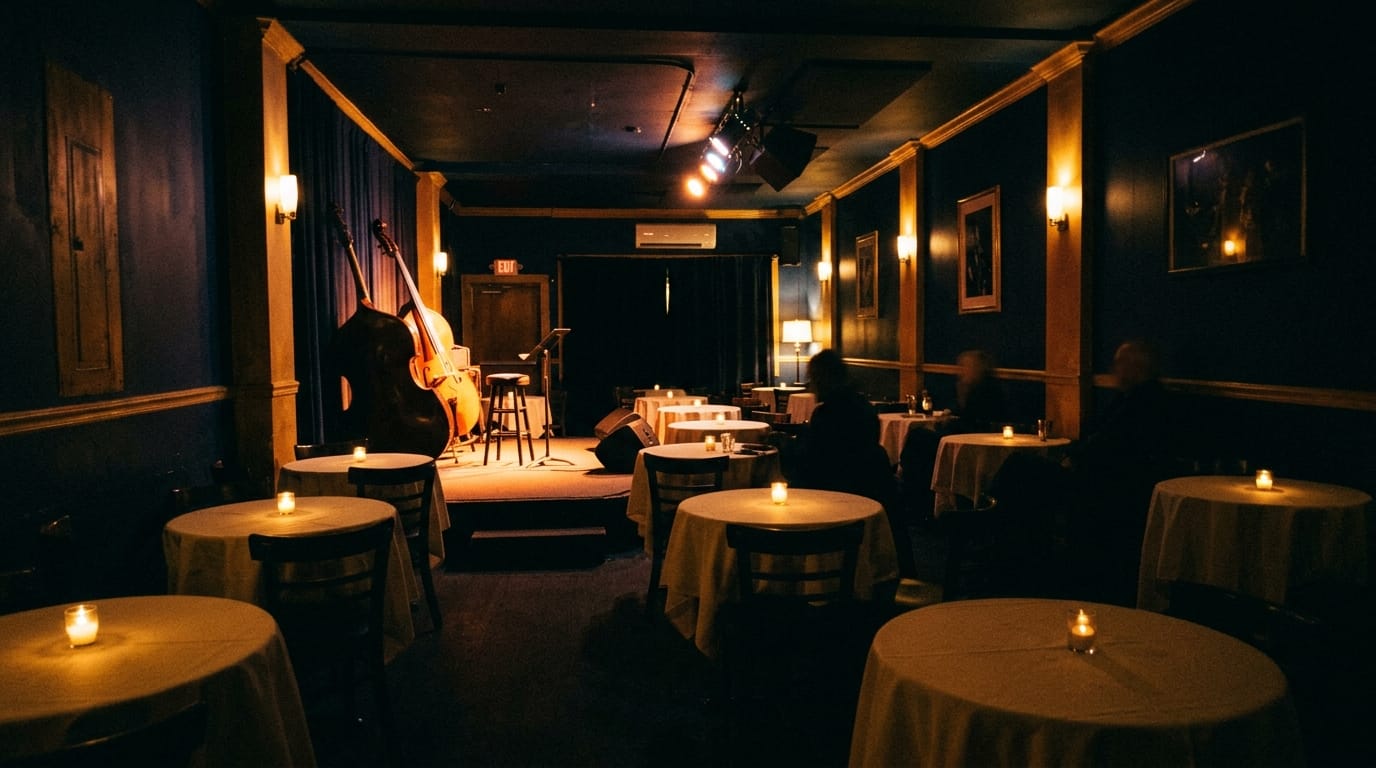
New York City is home to more than 60 active jazz venues, making it the densest concentration of live jazz clubs anywhere in the world, from 78-year-old Greenwich Village institutions to intimate Brooklyn listening rooms that opened within the last decade. This guide covers 15 verified venues across four neighborhoods, each with cover charges, drink minimums, best nights, active residencies, and booking links, updated for 2026.
Table of Contents
- Greenwich Village: The Spiritual Home of Jazz in New York
- Village Vanguard, 178 Seventh Ave South
- Blue Note New York, 131 West 3rd Street
- Smalls Jazz Club, 183 West 10th Street
- Mezzrow, 163 West 10th Street
- Cellar Dog, 75 Christopher Street
- 55 Bar, 55 Christopher Street
- Midtown Manhattan: Jazz at Scale
- Birdland Jazz Club, 315 West 44th Street
- Dizzy’s Club, 10 Columbus Circle (Jazz at Lincoln Center)
- Upper West Side: Neighborhood Jazz Done Right
- Smoke Jazz & Supper Club, 2751 Broadway (at 106th Street)
- Harlem: Where Jazz History Lives and Breathes
- Minton’s Playhouse, 206 West 118th Street
- Ginny’s Supper Club, 310 Lenox Avenue
- Showmans Jazz Club, 375 West 125th Street
- Brooklyn: The Borough’s Rising Jazz Scene
- Ornithology Jazz Club, Bushwick
- Bar Bayeux, 1066 Nostrand Avenue, Prospect Lefferts Gardens
- Bar Lunático, 486 Halsey Street, Bed-Stuy
- Quick-Reference Comparison: Best Jazz Clubs NYC at a Glance
- First-Timer’s Survival Guide: How to Navigate NYC Jazz Clubs
- Reservations, When You Need Them and When You Don’t
- Understanding Drink Minimums and Cover Charges
- What to Wear to a Jazz Club in NYC
- Jazz Club Etiquette, The Unwritten Rules
- Planning a Jazz Night by Neighborhood: Two-Club Routes
- Frequently Asked Questions About Jazz Clubs in NYC
- What is the best jazz club in NYC for first-time visitors?
- Do NYC jazz clubs require reservations?
- How much does it cost to go to a jazz club in New York?
- Are NYC jazz clubs open late?
- What is the oldest jazz club in New York City?
- The City That Never Stops Playing
EJazzNews has covered the NYC jazz scene across all five boroughs since 2001, and this guide is organized by neighborhood so you can plan a night, or a week, without backtracking across the city. Whether you’re hunting the best jazz clubs in New York for a first visit or you already know Smalls but want to explore Harlem, every room here is worth your evening.
New York’s live jazz scene spans everything from 35-seat piano rooms in the West Village to 250-seat dinner clubs with full kitchen service. Prices below reflect 2026 published rates; always confirm on the venue’s own site before you go.
Greenwich Village: The Spiritual Home of Jazz in New York
No neighborhood on earth has a higher concentration of serious jazz rooms than Greenwich Village. The Village Vanguard opened in 1935, Blue Note followed in 1981, and today Smalls, Mezzrow, and Cellar Dog all sit within a four-minute walk of each other on or near West 10th Street. If you only have one night in the city, this is where you spend it.
Village Vanguard, 178 Seventh Ave South
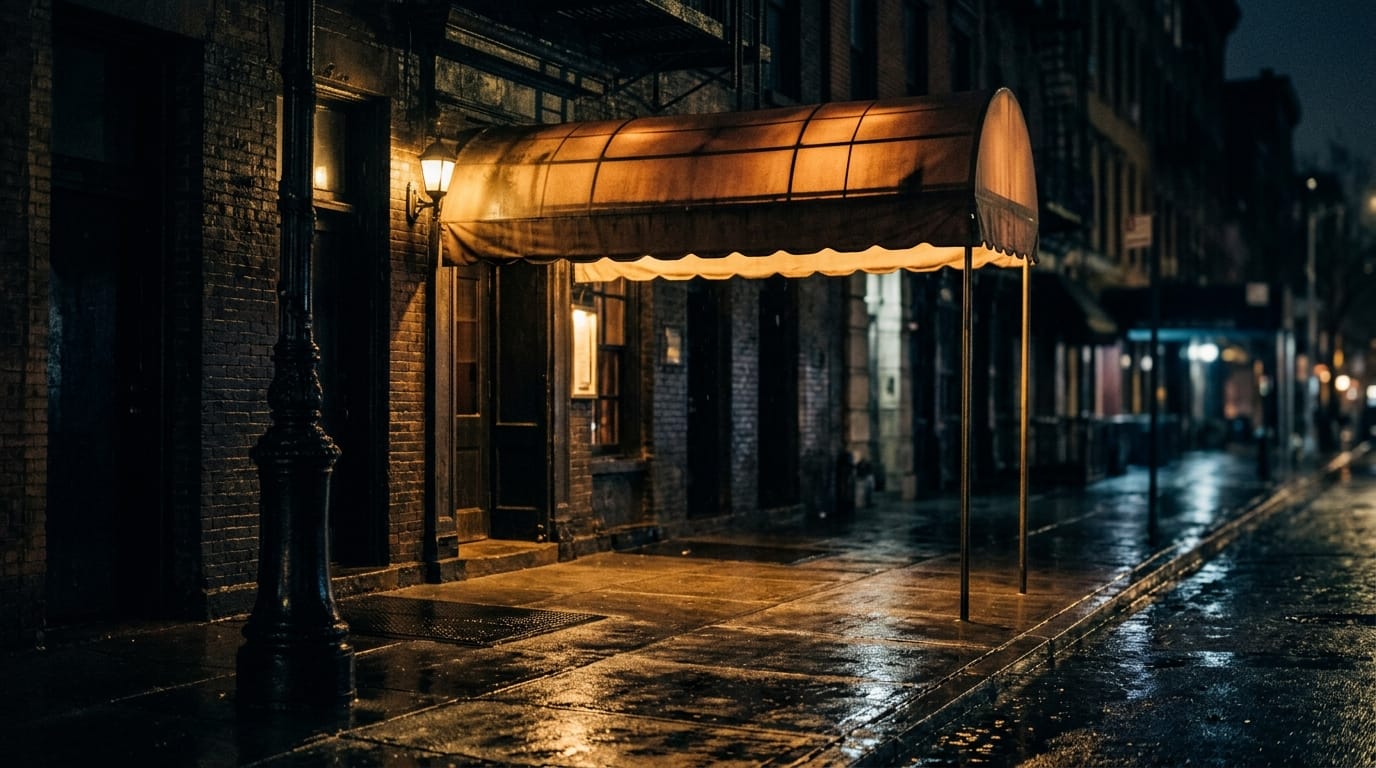
According to NPR, the Village Vanguard has operated continuously since April 1935, making it the oldest continuously operating jazz club in the world. You enter by walking fifteen steps down into a wedge-shaped basement room that seats 123 people, with near-perfect acoustics and décor that hasn’t changed much in decades. The room is austere by design, the music is the point.
The Vanguard Jazz Orchestra (formerly the Thad Jones/Mel Lewis Orchestra, which began its residency in 1966) plays every Monday night without exception, a streak now spanning more than five decades and widely documented as the world’s longest-running jazz ensemble residency. Weekend sets book out fast; advance tickets through villagevanguard.com are strongly advised. Cover is $30 with a $20 drink/food minimum.
Blue Note New York, 131 West 3rd Street
Since 1981, Blue Note has operated as one of the most recognized jazz club brands in the world, with sister venues in Tokyo and Milan. The 200-capacity room on West 3rd Street books major international headliners and Grammy-winning artists, with full restaurant service running alongside every set. Cover ranges from $20 to $45 depending on the act, with a $5 per-person table minimum.
June 2026 marks the 15th anniversary of the Blue Note Jazz Festival, with confirmed programming including Brian Blade and The Fellowship Band, The Bad Plus farewell tour, Ledisi, Kokoroko, and Take 6, among others. Friday and Saturday late sets (11pm) are the most atmospheric; Sunday brunch shows offer a lower-key entry point. Book through bluenotejazz.com/new-york.
Smalls Jazz Club, 183 West 10th Street
Established in 1994, Smalls earned its reputation as a hotbed for New York jazz talent through late-night jam sessions that ran until dawn and an open-door policy for young musicians. The 60-capacity subterranean room is where Brad Mehldau and Roy Hargrove, among others, built early followings, as documented in the jazz press. Cover is $25 and includes one drink; late-night jam sessions from 1am onward on Thursday through Saturday are the main event.
Smalls also streams live via SmallsLIVE, which has archived thousands of performances since the platform launched. If you can’t get a seat, the stream is a genuine alternative, but the room itself, with its low ceiling and close-packed chairs, is an experience the stream can’t replicate.
Mezzrow, 163 West 10th Street
Mezzrow opened in 2014 as a sister club to Smalls, founded by Mitch Borden and pianist Spike Wilner. As JazzTimes reported at the time, the room was conceived as a dedicated piano-focused listening space, 35 seats, near-silent audiences, and a programming philosophy that puts the instrument front and center. It’s named after clarinetist Mezz Mezzrow, a figure from the 1920s and 30s New York scene.
Cover is $25 and includes one drink. Weeknight bookings are your best shot at a seat; weekend shows sell out quickly. Rotating piano-trio residencies keep the programming fresh. Book through mezzrow.com.
Cellar Dog, 75 Christopher Street
Cellar Dog opened in 2021 in the former Fat Cat space, under the same ownership group as Smalls and Mezzrow. The room is larger (291 capacity) and considerably more casual, pool tables and ping-pong share the floor with live jazz every night from 7pm, and the cover ($15-$20) is the lowest of the three sibling venues. Our Town New York called it one of the truest live jazz-billiards bars in the West Village.
For first-time jazz club visitors who find the strict listening-room ethos of Mezzrow or the Village Vanguard intimidating, Cellar Dog is the right starting point. No one will shush you for talking between songs. Book or check the calendar at cellardog.net.
55 Bar, 55 Christopher Street
The 55 Bar’s roots go back to Prohibition, when it opened as a speakeasy on Christopher Street. It entered the jazz world in the mid-1980s as an underground haven for musicians to work out new material, and for decades it was the regular home of guitarist Mike Stern and other jazz-fusion players. Many nights carry no cover charge; ticketed shows run $10-$15 with a two-drink minimum.
Here’s the thing about the 55 Bar: it’s a dive, and it’s always been a dive, and that’s entirely the point. The room is tiny, the sound system is functional rather than pristine, and the crowd is there for the music. Check 55bar.com for the calendar; weekday bookings often offer the lowest-cost entry in the Village.
Midtown Manhattan: Jazz at Scale
Midtown jazz clubs trade the Village’s intimacy for production value and accessibility. Birdland’s two-room Theater District complex and Dizzy’s spectacular perch above Columbus Circle represent the most polished live jazz New York has to offer. Both are ideal for visitors staying in Midtown hotels who want a full evening, dinner, drinks, and a headliner, without crossing a borough.
Birdland Jazz Club, 315 West 44th Street
The original Birdland opened on December 15, 1949, named for Charlie “Bird” Parker. The current Theater District location has operated since 1996 and runs two rooms: the main Birdland Jazz Club (150 seats) and the Birdland Theater (around 100 seats). Birdland is open to ages 10 and up, with a $20 food or beverage minimum per person per set. Cover ranges from $20 to $45 depending on the act.
Monday nights belong to Jim Caruso’s Cast Party, a long-running cabaret and jazz crossover that draws Broadway performers and jazz vocalists in equal measure. Vince Giordano and the Nighthawks hold a recurring residency in the Birdland Theater, playing 1920s and 30s repertoire from Giordano’s collection of more than 60,000 original band arrangements. Book through birdlandjazz.com via TicketWeb, the club explicitly states that TicketWeb is its only authorized ticket seller.
Dizzy’s Club, 10 Columbus Circle (Jazz at Lincoln Center)
Dizzy’s Club sits on the 5th floor of Frederick P. Rose Hall, with floor-to-ceiling windows overlooking Central Park and Columbus Circle. The 140-seat room is operated by Jazz at Lincoln Center and offers the highest production values of any jazz club in New York, purpose-built acoustics, full dinner service, and a view that no other jazz venue in the city can match. Cover runs $20-$45 with a $15 food and drink minimum; Late Night Groove sessions on Fridays and Saturdays (around 11:30pm) often drop to $10.
The Late Night sessions are genuinely one of the best-value jazz experiences in the city. You get the room, the view, and working musicians from the JALC orbit for a fraction of the headline set price. Book through jazz.org/dizzys.
Upper West Side: Neighborhood Jazz Done Right
The Upper West Side offers one essential stop that combines serious programming with a supper-club format. Smoke sits on Broadway near 106th Street, on the cultural border between the Upper West Side and Harlem, and draws both neighborhood regulars and destination visitors who want a full evening rather than just a set.
Smoke Jazz & Supper Club, 2751 Broadway (at 106th Street)
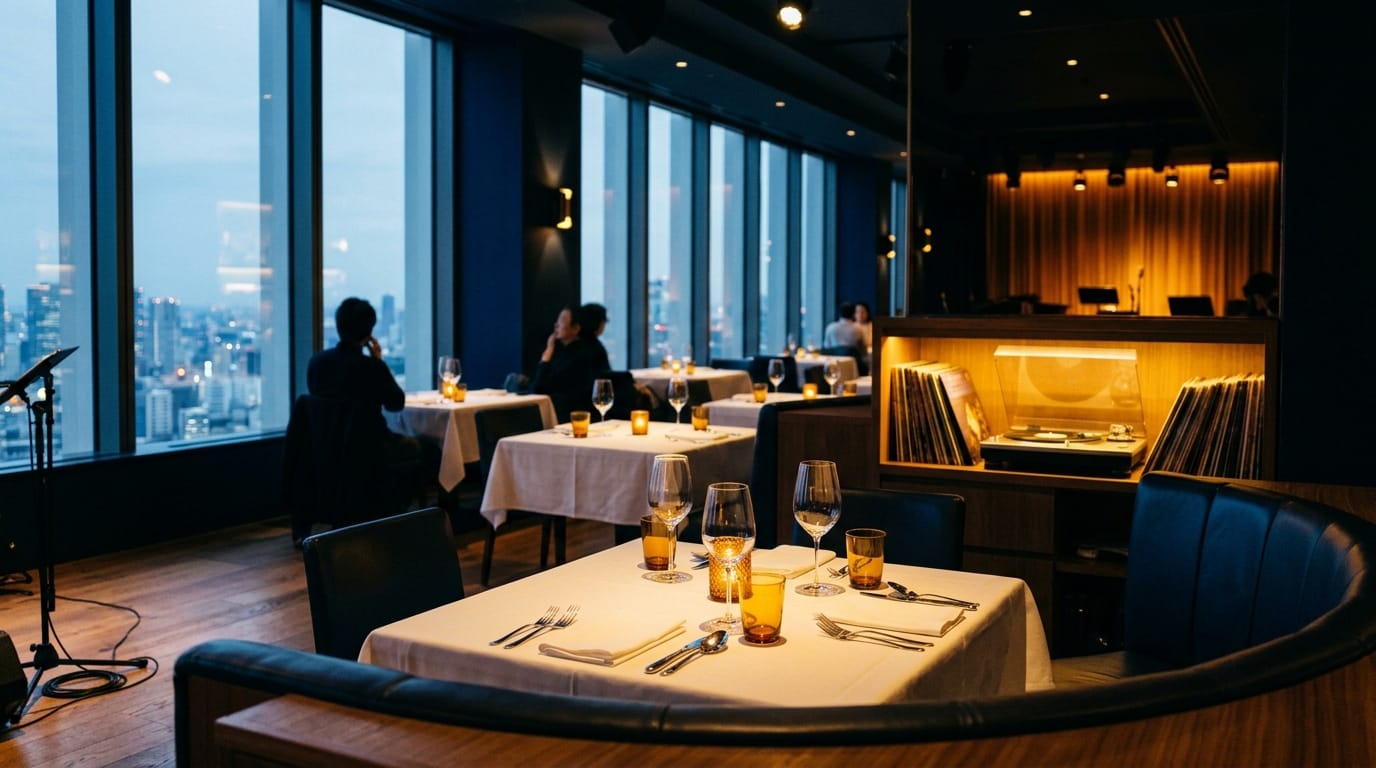
Smoke Jazz Club opened in April 1999 and has operated as one of the most consistent mid-size jazz rooms in New York ever since. The room runs a full dinner menu alongside its programming, and the supper-club model means food counts toward your minimum, a practical advantage over clubs where only drinks apply. Cover runs $30-$40, with dinner reservations available for those who want the full experience.
Smoke has historically hosted organ trio programming, including extended residencies by the late Dr. Lonnie Smith, the Hammond B-3 master who recorded more than 30 albums as a leader. Friday and Saturday sets are the most in-demand; late-night sessions follow the main programming. Book through smokejazz.com. Smoke also offers a livestream platform for sets you can’t attend in person.
Harlem: Where Jazz History Lives and Breathes
Harlem’s jazz scene carries a weight that no other neighborhood can replicate. Minton’s Playhouse is where bebop was born in the early 1940s, and the clubs operating today maintain that continuum. Harlem venues generally lean toward a more relaxed social atmosphere than the strict listening rooms of the Village, the music is serious, but the room breathes a little more freely.
Minton’s Playhouse, 206 West 118th Street
Henry Minton, a tenor saxophonist and the first Black delegate to Local 802 of the musicians’ union, opened Minton’s Playhouse in 1938. The after-hours sessions that followed in the early 1940s, featuring Thelonious Monk, Dizzy Gillespie, Charlie Parker, Charlie Christian, and Kenny Clarke, are widely documented as the crucible of bebop. The venue holds NYC landmark status and currently balances heritage programming with contemporary bookings, alongside full dinner service.
Weekend nights are the most reliable for strong programming; check mintonsharlem.com for heritage-themed events that draw on the club’s history. Dinner reservations are available. For readers who want deeper context on the bebop revolution that Minton’s sparked, the complete guide to bebop jazz covers the style’s origins, key figures, and harmonic language in full.
Ginny’s Supper Club, 310 Lenox Avenue
Ginny’s sits beneath Red Rooster, Marcus Samuelsson’s celebrated Harlem restaurant, in a speakeasy-style basement room designed specifically for live performance. The programming skews toward emerging artists and soul-jazz crossover, with a strong cocktail program that matches the kitchen upstairs. Saturday brunch jazz is one of the most atmospheric daytime jazz experiences in the city; evening programming runs Thursday through Saturday.
Cover and pricing vary by event; dinner and brunch packages are available. Book through ginnyssupperclub.com. The room’s design, low ceilings, warm lighting, close tables, makes it one of the more atmosphere-forward spaces in Harlem.
Showmans Jazz Club, 375 West 125th Street
Showmans opened in 1942, originally next to the Apollo Theater on 125th Street, and moved to its current location in 1998. Over more than 80 years of continuous operation, the club has hosted Sarah Vaughan, Lionel Hampton, Duke Ellington, and Pearl Bailey, among many others. Today it operates as a no-frills neighborhood bar with late-night programming and low or no cover on many nights, the most historically grounded of the current Harlem jazz rooms.
Don’t go to Showmans for production values. Go because the room has been absorbing jazz since the swing era, and that history is present in every corner. Weekend late-night sets are the primary draw.
Brooklyn: The Borough’s Rising Jazz Scene
Brooklyn’s jazz scene has grown steadily since 2010, offering lower covers, more experimental programming, and a younger crowd than most Manhattan counterparts. The three venues below represent three distinct points on the Brooklyn jazz spectrum: a dedicated listening room, a French-influenced wine bar, and a musician-owned community space with no cover charge.
Ornithology Jazz Club, Bushwick
Ornithology takes its name from the 1946 bebop standard co-written by Charlie Parker and Benny Harris, and the club’s founders, Rie Yamaguchi-Borden and Mitchell Borden, who ran Smalls for two decades, brought the same serious listening-room ethos to Bushwick. The room centers on a Bechstein grand piano and enforces a no-talking-during-sets policy. Capacity is around 75; cover runs $15-$25 with drink minimums. Weekend bookings and special engagement weeks sell out; check ornithologyjazzclub.com for the calendar.
Ornithology is one of the most respected serious jazz rooms to open in the outer boroughs in recent years, and it draws working NYC jazz players who want an attentive audience. The Bushwick location means it’s accessible from both Brooklyn and Queens.
our beginner's guide to jazz albumsBar Bayeux, 1066 Nostrand Avenue, Prospect Lefferts Gardens
Bar Bayeux is a French-influenced cocktail and wine bar with a dedicated live jazz program, operating in Prospect Lefferts Gardens since 2019. The room is intimate, the wine list is a genuine draw alongside the music, and the programming skews toward piano trios and acoustic formats. Many nights carry no cover charge; bottle and glass minimums may apply. Thursday through Saturday are the primary live nights. Book or check the calendar at barbayeux.com.
Bar Lunático, 486 Halsey Street, Bed-Stuy
Bar Lunático opened in 2015 as a musician-owned bar and live music room on a residential block in Bedford-Stuyvesant. There’s no formal cover, the model is donation-based, with a tip jar for the musicians. Programming is eclectic: jazz, Latin jazz, and improvised music share the calendar, and the community-focused ethos keeps the room accessible to people who might not otherwise walk into a jazz club. Check Instagram or barlunatico.com for nightly programming, since the calendar updates frequently.
Quick-Reference Comparison: Best Jazz Clubs NYC at a Glance
The table below covers all 15 venues in this guide. Cover charges and minimums reflect 2026 published rates; always verify on the venue’s own site before booking.
| Club | Neighborhood | Capacity | Cover Range | Drink Min. | Reservations | Best For |
|---|---|---|---|---|---|---|
| Village Vanguard | Greenwich Village | 123 | $30 | $20 | Strongly advised | Jazz purists, history |
| Blue Note New York | Greenwich Village | 250 | $20-$45 | $5/person | Strongly advised | Headliners, full service |
| Smalls Jazz Club | Greenwich Village | 60 | $25 | Included | Walk-in possible | Late-night jams, authenticity |
| Mezzrow | Greenwich Village | 35 | $25 | Included | Weekends sell out | Piano focus, listening room |
| Cellar Dog | Greenwich Village | ~150 | $15-$20 | Varies | Walk-in friendly | First-timers, casual vibe |
| 55 Bar | West Village | Small | $0-$15 | 2-drink | Walk-in | Budget nights, jazz-fusion |
| Birdland Jazz Club | Midtown | 150 + 100 | $20-$45 | $20/set | Strongly advised | Big band, cabaret crossover |
| Dizzy’s Club | Midtown (Columbus Circle) | 140 | $10-$45 | $15 | Advised | Views, production quality |
| Smoke Jazz & Supper Club | Upper West Side | 100 | $30-$40 | Dinner counts | Advised | Supper club, organ trios |
| Minton’s Playhouse | Harlem | Varies | Varies | Varies | Advised weekends | History, heritage programming |
| Ginny’s Supper Club | Harlem | Varies | Varies | Varies | Advised | Atmosphere, brunch jazz |
| Showmans Jazz Club | Harlem | Bar-size | Low/none | Drink min. | Walk-in | No-frills history, late nights |
| Ornithology Jazz Club | Bushwick, Brooklyn | ~75 | $15-$25 | Yes | Advised weekends | Serious listening, outer borough |
| Bar Bayeux | Prospect Lefferts Gardens | Intimate | Often free | Varies | Walk-in | Wine, piano trios, neighborhood |
| Bar Lunático | Bed-Stuy, Brooklyn | Small | No cover | Donation | Walk-in | Community, eclectic programming |
First-Timer’s Survival Guide: How to Navigate NYC Jazz Clubs
The single most common mistake first-time visitors make is showing up at the Village Vanguard on a Saturday night without a reservation and expecting to get in. NYC jazz clubs have their own logic, cover charges, drink minimums, set times, and seating policies that differ from venue to venue. Here’s what you need to know before you go.
Reservations, When You Need Them and When You Don’t
Village Vanguard, Blue Note, Dizzy’s, and Birdland all require advance booking on weekends, treat it as non-negotiable. Smalls and Mezzrow are walk-in possible on weeknights, but weekends fill fast. Brooklyn venues (Ornithology, Bar Bayeux, Bar Lunático) are generally walk-in friendly. One practical note: Birdland explicitly states that TicketWeb is its only authorized ticket seller, so avoid third-party resellers for that venue.
Understanding Drink Minimums and Cover Charges
Most NYC jazz clubs use a two-charge model that confuses first-timers: a cover charge (paid at the door or when booking) plus a per-person drink or food minimum per set. At a mid-tier club, that means roughly $30 cover plus $20 minimum, $50 per person before tip, before a second drink. Budget-friendly alternatives include late-night jam sessions at Smalls ($25 all-in), 55 Bar on weeknights (often free), and Bar Lunático (no cover, donation model). At supper clubs like Smoke, Ginny’s, and Dizzy’s, food orders count toward the minimum, order dinner and the math works in your favor.
What to Wear to a Jazz Club in NYC
No venue on this list enforces a strict dress code, but smart casual is universally safe and appropriate. Birdland and Dizzy’s skew slightly more formal, particularly for early sets that attract a pre-theatre crowd. Village Vanguard and Smalls are anything-goes, people show up in everything from suits to hoodies. 55 Bar and Bar Lunático are fully casual. Avoid noisy accessories (bangles, stiff fabrics) at listening rooms like Mezzrow and Ornithology, where the audience takes silence seriously. For venue-by-venue dress suggestions, see our full guide to jazz club style and what to expect at each type of venue.
Jazz Club Etiquette, The Unwritten Rules
Talking during sets is the cardinal sin at Ornithology, Village Vanguard, and Mezzrow, the no-talking policy is enforced, not just suggested. Keep phone screens down or covered; the glow is distracting in a dark room. Arrive before the set starts, since late seating is disruptive and some venues restrict it entirely. Tip the bar staff, and where a hat is passed for the musicians, that’s not optional, it’s how the players get paid at donation-model venues like Bar Lunático.
Planning a Jazz Night by Neighborhood: Two-Club Routes
NYC’s jazz geography rewards planning. The Village cluster is tight enough to do two clubs in one night without a cab; Harlem pairs naturally for a dinner-plus-late-night route. Here are four proven two-club combinations that work logistically and musically.
Greenwich Village circuit: Village Vanguard early set (8pm) followed by Smalls late-night jam (1am). The walk between the two is under four minutes. This is the classic NYC jazz night, a formal set at the world’s most storied room, then an informal session where the musicians unwind.
Midtown double: Birdland for the full headliner experience (7pm early set), then Dizzy’s Late Night Groove (11:30pm) for the view and the lower ticket price.
Harlem deep-dive: Minton’s for dinner and an early set, then Showmans for late-night programming with low or no cover. The two clubs are both on or near 125th Street and represent the full arc of Harlem jazz history, from bebop’s birthplace to the neighborhood bar that’s been absorbing the music since 1942.
Brooklyn crawl: Bar Bayeux for an early no-cover set in Prospect Lefferts Gardens, then Ornithology for a ticketed late set in Bushwick. The two venues are stylistically distinct, wine bar versus dedicated listening room, and together they cover the range of what Brooklyn jazz has become. For readers new to the music itself, the best jazz albums for beginners is a useful companion before your first night out.
Frequently Asked Questions About Jazz Clubs in NYC
What is the best jazz club in NYC for first-time visitors?
It depends on your budget and what you want from the experience. Smalls or Cellar Dog offer the most authentic, low-cost entry point, late-night, underground, and genuinely connected to the working jazz community. Blue Note delivers a world-class headliner with full restaurant service if you want a polished evening. Dizzy’s Club offers the most visually spectacular room in the city, especially at the Late Night Groove price point. Any of the three works as a first visit; the choice is really about atmosphere versus production value versus cost.
Do NYC jazz clubs require reservations?
The major clubs, Village Vanguard, Blue Note, Birdland, and Dizzy’s, strongly recommend advance booking, especially on Friday and Saturday. Treat weekend reservations at these venues as mandatory. Smaller rooms like 55 Bar and Bar Lunático are walk-in by nature. Smalls and Mezzrow fall in between: walk-in is possible on weeknights, but weekends fill fast enough that booking ahead is worth the effort. All booking should go through the venue’s own site.
How much does it cost to go to a jazz club in New York?
The range is genuinely wide. Bar Lunático charges no cover and runs on donations; 55 Bar is free on many weeknights. At the other end, Blue Note or Birdland can run $45 cover plus a $20 per-person minimum, budget $50-$70 per person for a full evening at a mid-tier club including one drink. Supper club formats at Smoke, Ginny’s, or Dizzy’s with dinner can reach $80-$120 per person. The Late Night Groove sessions at Dizzy’s ($10 cover) are the best value-to-experience ratio on this list.
Are NYC jazz clubs open late?
Yes. Smalls runs late-night jam sessions until 4am on weekends, the latest closing time of any dedicated jazz room in the city. Most Manhattan clubs run sets until midnight or 1am, with some venues offering a final late set that starts around 11:30pm. Brooklyn venues typically close earlier, around midnight to 1am. Cellar Dog, under the same ownership as Smalls, also runs late-night programming on weekends.
What is the oldest jazz club in New York City?
55 Bar (est. 1919 as a Prohibition-era speakeasy) is the oldest operating venue in New York that currently presents jazz. The Village Vanguard (est. 1935) is the oldest venue that has operated primarily and continuously as a jazz club, a distinction that matters. The Vanguard has never been anything other than a music room, which is why its acoustic and cultural identity is so intact after nearly nine decades.
The City That Never Stops Playing
More jazz recordings have been made in New York than in any other city on earth, and the venues in this guide are where that tradition stays alive in real time. Programming changes weekly, a residency that’s running in June may be gone by September, and new bookings appear constantly. Check individual venue calendars before every visit, not just before your trip. Whether you’re mapping out the best jazz clubs in NYC for a first visit or you’re a regular looking for what’s new in live jazz in New York, this list covers every room worth your evening in 2026. Bookmark it, check back, and go hear some music.