Michael Franks: The Jazz-Pop Songwriter Behind Popsicle Toes
Michael Franks is an American jazz-pop singer-songwriter, born September 18, 1944, in La Jolla, California. He is best known for the 1975 hit “Popsicle Toes” and for a five-decade catalogue of literate, softly sung songs that blend jazz, pop, and Brazilian bossa nova.
Last updated: June 2026
Table of Contents
- Who Is Michael Franks?
- Early Life and La Jolla Roots
- The Academic Who Became a Songwriter
- The Art of Tea and the Birth of a Style
- The Classic Run
- The Long Songbook
- Michael Franks Discography
- The Michael Franks Sound
- Signature Songs
- Personal Life
- Michael Franks Today
- Frequently Asked Questions
- How old is Michael Franks?
- Is Michael Franks still alive?
- Who is Michael Franks’s wife?
- What is Michael Franks’s most famous song?
- What genre is Michael Franks?
- What is Michael Franks’s net worth?
- Is Michael Franks touring in 2026?
- What was Michael Franks’s first album?
Few artists have built a career on saying less. Michael Franks turned a soft, almost spoken voice and a literature graduate’s way with words into one of the most recognizable sounds in jazz-pop, and he did it across more than fifty years and eighteen studio albums. Most listeners meet him first through “Popsicle Toes,” his mid-1970s breakthrough, but the catalogue behind that song runs deep, stays remarkably consistent, and has quietly influenced two generations of vocalists.
What separates Franks from his peers is restraint. He never belts, and he rarely lifts his voice above a murmur, so the writing carries the weight: an English major’s ear for wordplay, a romantic’s eye for detail, and a steady debt to the harmonic language of Antonio Carlos Jobim and the cool side of jazz. He is, as one of his own song titles puts it, “Mr. Smooth.”
Who Is Michael Franks?
Michael Franks occupies a narrow and unusual niche. In the 1970s he was a crossover artist who resisted easy radio formatting, too jazzy for straight pop and too pop for the purists, which made him a natural fit for the album-oriented FM stations of the era and earned him a loyal college audience. He has never had a number-one single and never chased one. Instead he built a body of work that rewards repeat listening, the kind of records people hold onto for decades. Critics and listeners often place him alongside the artists of the quiet storm radio format, the late-night, slow-tempo sound that his romantic ballads fit perfectly.
His songs have travelled far beyond his own recordings. Artists as varied as The Manhattan Transfer, Diana Krall, Patti LaBelle, Carmen McRae, the Carpenters, Lyle Lovett, Kurt Elling, and Ringo Starr have all recorded his material. That range, from vocal-jazz institutions to pop and soul singers, says a lot about how cleanly his writing travels across styles. For a wider view of the tradition he belongs to, see our guide to the greatest jazz singers of all time and the great male jazz singers.
Early Life and La Jolla Roots
Franks grew up in Southern California with his father Gerald, his mother Betty, and two younger sisters. No one in the family was a musician, but his parents loved swing, and the house was full of the records that shaped his taste. His early idols were singers and songwriters from an older school: Peggy Lee, Nat King Cole, the Gershwins, Irving Berlin, and Johnny Mercer. That lineage matters, because Franks writes like a craftsman from the golden age of American song rather than a rock-era confessional artist.
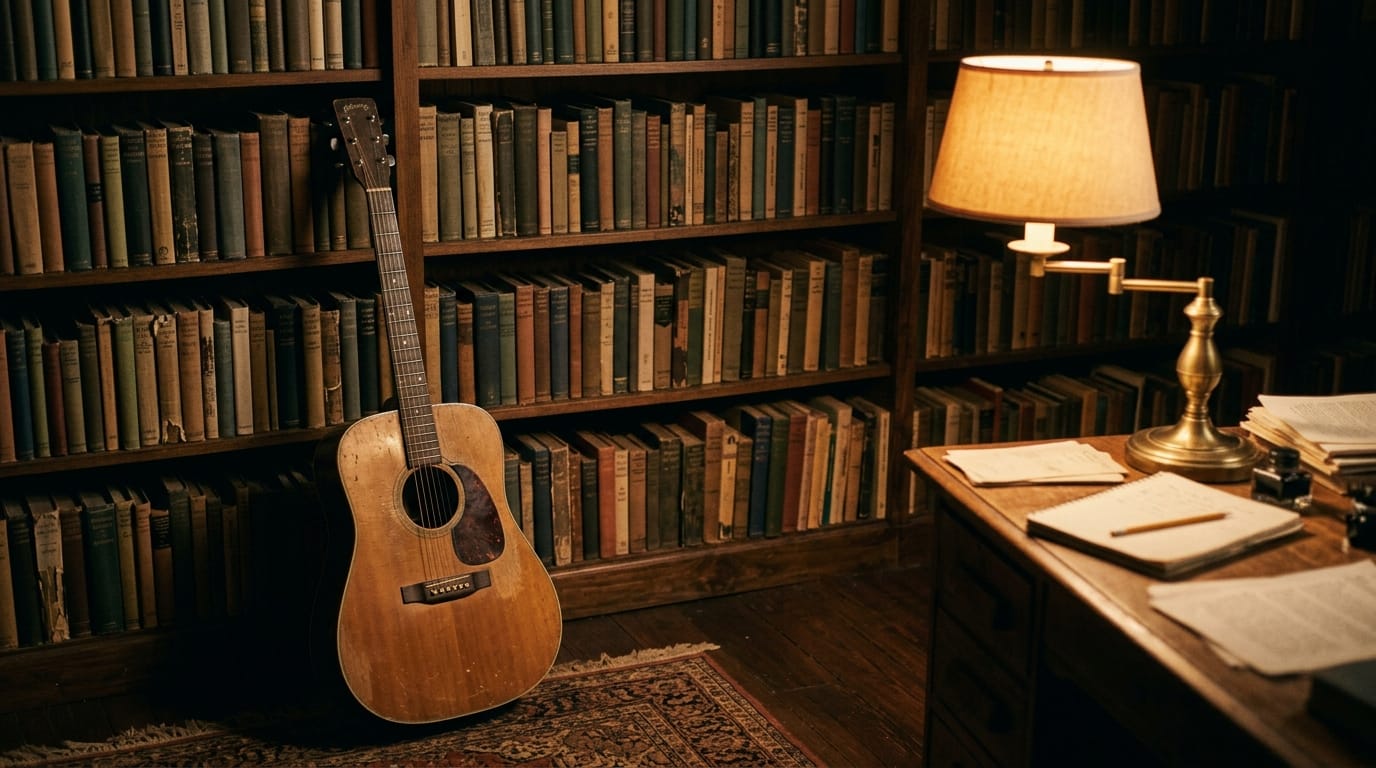
At age fourteen he bought his first guitar, a Japanese Marco Polo, for $29.95. It came with six private lessons, and those lessons were the only formal music education he ever received. Everything else he learned by ear. At University High School in San Diego he discovered the poetry of Theodore Roethke, whose off-rhymes and hidden meter left a lasting mark on the way Franks builds a lyric. He began performing folk-rock as a teenager, accompanying himself on guitar.
The Academic Who Became a Songwriter
Franks took an unusually long road into music, through the university rather than the nightclub. He earned a Bachelor of Arts in comparative literature from UCLA in 1966 and a Master of Arts from the University of Oregon in 1968. He then held a teaching assistantship in a PhD program in American literature at the University of Montreal before returning to teach part-time at UCLA, where he taught a course on the history of popular song. He never studied music formally at any of these schools. The degrees were in literature, and you can hear it in every verse he has written since.
His first professional writing came in this academic period. He composed songs for the antiwar musical “Anthems in E-flat” in 1968, a production that featured a young Mark Hamill before his Star Wars fame. Franks also wrote music for the films “Cockfighter” and “Zandy’s Bride,” both released in 1974. Around the same time, the blues duo Sonny Terry and Brownie McGhee recorded three of his songs, including “White Boy Lost in the Blues,” and Franks played guitar, banjo, and mandolin on their album and joined them on tour. The literary instinct, the love of jazz harmony he picked up at UCLA from Stan Getz, Joao Gilberto, Miles Davis and Antonio Carlos Jobim, and a working knowledge of the instruments of jazz all came together at once.
The Art of Tea and the Birth of a Style
In 1973 Franks recorded a self-titled debut album for the small Brut label, later reissued as “Previously Unavailable,” which produced the minor single “Can’t Seem to Shake This Rock ‘n’ Roll.” It found little distribution and almost no audience. The real arrival came two years later.
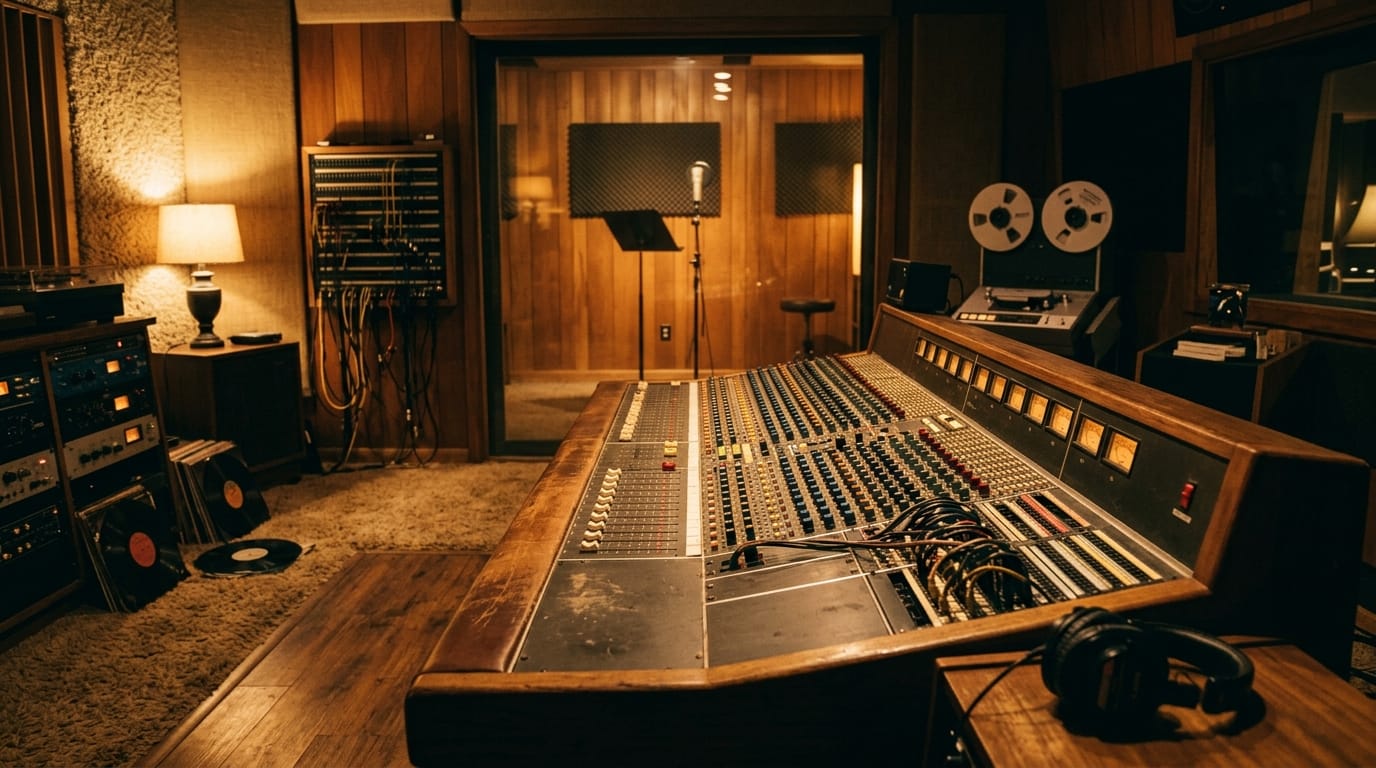
“The Art of Tea,” released in 1975, began Franks’s long relationship with Warner Bros. Records and defined his sound in one sitting. Produced by Tommy LiPuma and recorded quickly with members of the Crusaders, including keyboardist Joe Sample, guitarist Larry Carlton, and saxophonist Wilton Felder, the album fused jazz musicianship with pop song form and a relaxed, sun-warmed feel. Its centerpiece, “Popsicle Toes,” became his signature song, a sly, playful piece of writing that reached number 43 on the US pop chart and number 45 on the adult contemporary chart. More than the chart numbers, it announced a voice that nobody could mistake for anyone else.
The Classic Run
From the late 1970s into the 1980s, Franks released a steady stream of albums that form the heart of his catalogue. “Sleeping Gypsy” (1977) was recorded partly in Brazil and carried his bossa nova affinity to its source; it includes the fan favorite “The Lady Wants to Know.” Around this time the percussionist Ray Armando gave Franks a cabasa, the beaded gourd shaker that became his signature instrument to play on stage whenever he set the guitar down.
“Burchfield Nines” (1978) reflected a move to New York City and a slightly tighter, East Coast feel, and gave him “When the Cookie Jar Is Empty.” “Tiger in the Rain” (1979), produced by John Simon, took its title and cover from the Henri Rousseau painting “Tiger in a Tropical Storm” and leaned quiet and romantic. “One Bad Habit” (1980) was something of a commercial step up, with its title track earning real airplay.
The 1980s brought his strongest chart showings. “Objects of Desire” (1982) reached number 45 on the Billboard 200, his highest placement there. “Passionfruit” (1983) delivered what is often called his biggest hit, “When Sly Calls (Don’t Touch That Phone),” and topped out at number 4 on the jazz chart. “Skin Dive” (1985) produced two staples, the adult-contemporary hit “Your Secret’s Safe with Me” and the Brenda Russell duet “When I Give My Love to You.” “The Camera Never Lies” (1987) gave him “Island Life.” For listeners building a collection, several of these belong in any survey of the essential jazz-leaning albums.
The Long Songbook
Franks never stopped recording. “Blue Pacific” (1990) reconnected him with a relaxed, acoustic-leaning sound, and the albums that followed kept his jazz audience close even as pop radio moved on: “Dragonfly Summer” (1993), “Abandoned Garden” (1995), and “Barefoot on the Beach” (1999). In the 2000s he released the holiday record “Watching the Snow” (2003) and “Rendezvous in Rio” (2006), a return to the Brazilian textures he has loved since college. “Time Together” (2011) reached number 4 on the jazz chart and reminded everyone the writing was as sharp as ever. His most recent studio album to date is “The Music in My Head” (2018).
Michael Franks Discography
The list below covers his eighteen studio albums. He has also released one live album, “Michael Franks with Crossfire Live” (1980), and several compilations.
| Year | Album | Label | Notable for |
|---|---|---|---|
| 1973 | Michael Franks | Brut | Debut, reissued as Previously Unavailable |
| 1975 | The Art of Tea | Reprise / Warner Bros. | “Popsicle Toes”; US 200 No. 131 |
| 1977 | Sleeping Gypsy | Warner Bros. | “The Lady Wants to Know”; partly cut in Brazil |
| 1978 | Burchfield Nines | Warner Bros. | “When the Cookie Jar Is Empty” |
| 1979 | Tiger in the Rain | Warner Bros. | US 200 No. 68 |
| 1980 | One Bad Habit | Warner Bros. | US 200 No. 83 |
| 1982 | Objects of Desire | Warner Bros. | US 200 No. 45, his highest placement |
| 1983 | Passionfruit | Warner Bros. | “When Sly Calls”; US Jazz No. 4 |
| 1985 | Skin Dive | Warner Bros. | “Your Secret’s Safe with Me” |
| 1987 | The Camera Never Lies | Warner Bros. | “Island Life”; US Jazz No. 7 |
| 1990 | Blue Pacific | Reprise / Warner Bros. | US 200 No. 121 |
| 1993 | Dragonfly Summer | Warner Bros. | US Jazz No. 19 |
| 1995 | Abandoned Garden | Warner Bros. | US Jazz No. 4 |
| 1999 | Barefoot on the Beach | Windham Hill / BMG | US Jazz No. 9 |
| 2003 | Watching the Snow | Sleeping Gypsy / Rhino | Holiday album; US Jazz No. 40 |
| 2006 | Rendezvous in Rio | Koch | US Jazz No. 11 |
| 2011 | Time Together | Shanachie | US Jazz No. 4 |
| 2018 | The Music in My Head | Shanachie | Most recent studio album |
The Michael Franks Sound
Franks is usually filed under smooth jazz or jazz-pop, and both labels fit, though neither quite captures him. His harmony comes from jazz, especially the bossa nova of Antonio Carlos Jobim, while his song structures sit closer to pop. The voice is soft, slightly nasal, and almost spoken, an instrument with a deliberately small dynamic range that he uses for intimacy rather than power. If you want to understand where he sits in the wider map of the music, our explainer on the types of jazz puts the smooth and bossa-influenced strands in context.
The real signature is the writing. A literature degree gave him a fondness for wordplay, double meanings, and unexpected images, and he tends to wrap genuine romantic feeling inside a wry, knowing turn of phrase. Songs like “Popsicle Toes” and “When Sly Calls” work as light comedy and as love songs at the same time. Other titles fans return to include “Rainy Night in Tokyo,” “Monkey See, Monkey Do,” “Lotus Blossom,” and “Tell Me All About It.” Because he plays guitar throughout his work, his records also sit comfortably next to those of the great jazz guitarists.
Signature Songs
A short list of the songs most associated with him, with the albums they come from.
| Song | Album | Year |
|---|---|---|
| Popsicle Toes | The Art of Tea | 1975 |
| The Lady Wants to Know | Sleeping Gypsy | 1977 |
| When the Cookie Jar Is Empty | Burchfield Nines | 1978 |
| Tiger in the Rain | Tiger in the Rain | 1979 |
| When Sly Calls (Don’t Touch That Phone) | Passionfruit | 1983 |
| Your Secret’s Safe with Me | Skin Dive | 1985 |
| When I Give My Love to You (with Brenda Russell) | Skin Dive | 1985 |
| Island Life | The Camera Never Lies | 1987 |
Personal Life
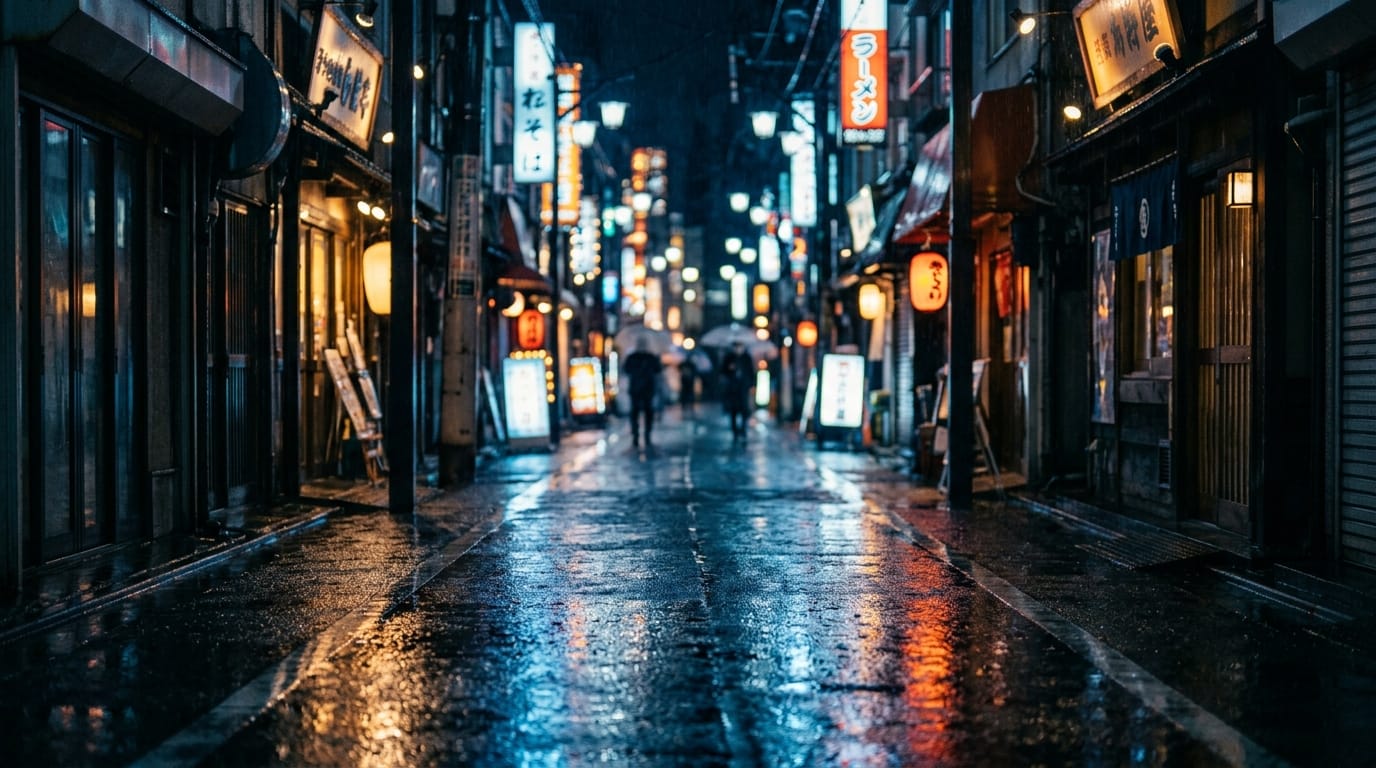
Franks has kept his private life firmly out of the spotlight, which is part of why his audience feels he writes directly to them rather than about himself. He has been married to his wife, Claudia, for many years. One of his most loved songs, “Rainy Night in Tokyo,” is autobiographical, a memory of their wedding trip that opens with the line about the seventh of September. He spent many years based in Woodstock, New York, and more recent reporting places him back in his native Southern California. He and Claudia have always preferred privacy to publicity, and reliable details beyond that are scarce by design.
Michael Franks Today
Now in his early eighties, Franks is still active and has said he has no intention of retiring. In recent years he has performed a modest schedule of concerts rather than long tours, with a recurring annual appearance in Detroit among the dates his fans count on. For anyone hoping to see him live, the most reliable place to check for current shows is his official website and the major ticketing platforms, since his calendar changes from year to year. After five decades, the appeal is unchanged: a writer’s lyrics, a whisper of a voice, and a sound that still feels like a warm evening.
Frequently Asked Questions
How old is Michael Franks?
Michael Franks was born on September 18, 1944, in La Jolla, California, which makes him 81 years old in 2026.
Is Michael Franks still alive?
Yes. As of 2026 Michael Franks is alive and still recording and performing, though on a reduced concert schedule.
Who is Michael Franks’s wife?
Franks is married to Claudia, and the couple have been together for many years. He keeps his personal life private, but his song “Rainy Night in Tokyo” is an autobiographical account of their wedding trip.
What is Michael Franks’s most famous song?
His best-known song is “Popsicle Toes,” from the 1975 album The Art of Tea, which reached number 43 on the US pop chart. His biggest later hit was “When Sly Calls (Don’t Touch That Phone)” from 1983’s Passionfruit.
What genre is Michael Franks?
Franks is usually described as jazz-pop or smooth jazz, with a strong Brazilian bossa nova influence drawn from Antonio Carlos Jobim. His romantic ballads are also closely associated with the quiet storm radio format.
What is Michael Franks’s net worth?
Michael Franks has never publicly disclosed his finances, and the figures that circulate on celebrity net-worth websites vary wildly, from a few million dollars to far higher estimates. None of these are verified, so any single number should be treated as guesswork rather than fact.
Is Michael Franks touring in 2026?
Franks performs selectively rather than touring extensively, and he has a recurring annual show in Detroit. At the time of writing, no 2026 dates were confirmed on the major concert trackers. Check his official website and ticketing platforms for the latest schedule.
What was Michael Franks’s first album?
His debut was the self-titled Michael Franks in 1973 on the Brut label, later reissued as Previously Unavailable. His commercial breakthrough came with his second album, The Art of Tea, in 1975.